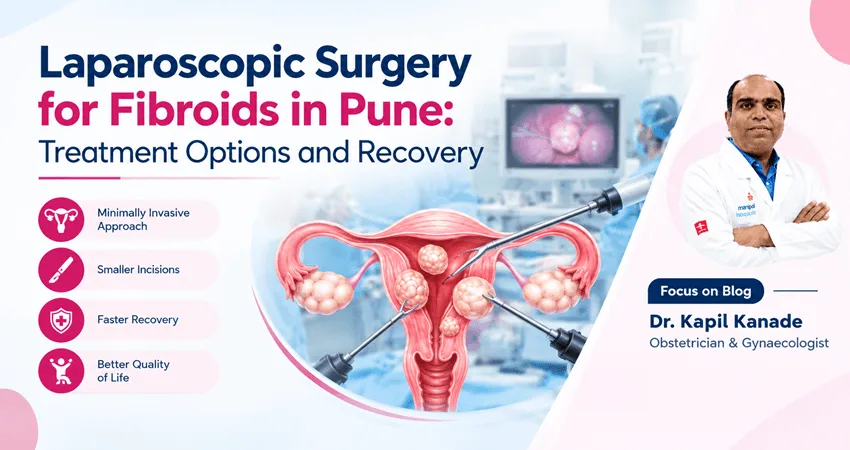
Laparoscopic Surgery for Fibroids in Pune: Treatment Options and Recovery
Uterine fibroids are non-cancerous growths that develop in or around the uterus. Although many fibroids do not cause symptoms, others may lead to heavy menstrual bleeding, pelvic pressure, abdominal discomfort, frequent urination, or reproductive concerns. When symptoms affect daily life, choosing the right treatment becomes an important part of women's healthcare.
Laparoscopic surgery for fibroids is a minimally invasive treatment option for selected patients. Compared with open surgery, it uses smaller abdominal incisions and specialized instruments to remove fibroids while allowing the surgeon to visualize the pelvic structures. The appropriate treatment depends on the size, number, and location of fibroids, symptoms, medical history, and future pregnancy plans.
For women looking for fibroid treatment in Pune, Dr. Kapil Kanade is an obstetrician and gynaecologist with over 23 years of experience and specialized training in advanced laparoscopy in Germany. A detailed clinical assessment can help determine whether laparoscopic myomectomy or another treatment option is suitable.
What Are Uterine Fibroids?
Uterine fibroids, also called leiomyomas or myomas, are growths made up of muscle and connective tissue that develop in the uterus. They are usually benign and vary in size, number, and location.
Some women have small fibroids without noticeable symptoms, while others may experience significant discomfort or menstrual problems. Fibroids can occur inside the uterine cavity, within the muscular wall, or on the outer surface of the uterus.
Their location often influences the symptoms and the treatment approach. Fibroids that affect the uterine cavity may contribute to heavy menstrual bleeding or reproductive difficulties, while larger fibroids may cause pelvic pressure or abdominal fullness.
Not every fibroid requires surgery. Treatment is generally based on symptoms, examination findings, imaging results, age, reproductive goals, and the overall impact on quality of life.
Common Symptoms of Uterine Fibroids
Fibroid symptoms vary from one patient to another. Some women discover fibroids during a routine examination or ultrasound, while others seek medical attention because of persistent symptoms.
Common symptoms may include:
Heavy or prolonged menstrual bleeding.
Painful periods or pelvic discomfort.
A feeling of pressure or fullness in the lower abdomen.
Frequent urination when a fibroid presses against the bladder.
Constipation or bowel pressure in selected cases.
Abdominal enlargement associated with larger fibroids.
Difficulty conceiving or certain pregnancy-related concerns in some patients.
These symptoms can also occur with other medical conditions. A gynaecological assessment and appropriate investigations are important to establish the cause and decide on treatment.
What Is Laparoscopic Surgery for Fibroids?
Laparoscopic surgery for fibroids is a minimally invasive procedure that may be used to remove suitable uterine fibroids. The procedure commonly performed for this purpose is called laparoscopic myomectomy.
During myomectomy, the surgeon removes the fibroids while preserving the uterus. A laparoscope, which contains a camera, and specialized surgical instruments are introduced through small abdominal incisions.
The surgeon identifies the fibroids, removes them from the uterine muscle when appropriate, and repairs the uterine tissue. The technique depends on the fibroids' size, number, depth, and location.
Laparoscopic myomectomy may be suitable for selected women who wish to preserve their uterus, including some patients planning a future pregnancy. However, not every fibroid can be removed laparoscopically, and the decision requires careful assessment.
Treatment Options for Uterine Fibroids
There is no single treatment that is appropriate for every woman with fibroids. A specialist considers the symptoms, fibroid characteristics, age, reproductive plans, and general health before recommending an approach.
1. Observation and Regular Monitoring
Women with small fibroids that are not causing significant symptoms may not need immediate treatment. Periodic clinical review and imaging may be recommended according to the individual situation.
Monitoring helps assess whether the fibroids are changing and whether new symptoms require further evaluation.
2. Medication for Symptom Management
Certain medicines may help manage heavy menstrual bleeding, menstrual pain, or other fibroid-related symptoms. Some treatments can temporarily reduce fibroid size in selected circumstances.
Medication does not necessarily eliminate fibroids permanently. The appropriate medicine depends on the patient's symptoms, medical history, and treatment goals.
3. Laparoscopic Myomectomy
Laparoscopic myomectomy involves removing fibroids through small abdominal incisions while preserving the uterus.
It may be considered when fibroids cause significant symptoms, affect the uterine cavity, or require treatment for other clinical reasons. Suitability depends on the size, number, and location of fibroids and the surgeon's assessment.
For selected patients, a minimally invasive approach may offer less postoperative discomfort, smaller scars, and a shorter hospital stay compared with open surgery.
4. Open Myomectomy
Open myomectomy involves removing fibroids through a larger abdominal incision. It may be more appropriate for some patients with numerous, very large, or deeply positioned fibroids, depending on the clinical circumstances.
Although recovery may take longer than after a suitable minimally invasive procedure, open surgery remains an important treatment option when it offers the most appropriate surgical approach.
5. Hysterectomy
A hysterectomy is the surgical removal of the uterus. It may be considered for certain patients with severe fibroid-related symptoms when other treatments are unsuitable or have not provided adequate relief.
Unlike myomectomy, hysterectomy permanently removes the possibility of carrying a pregnancy. The decision should therefore involve a thorough discussion of the patient's symptoms, reproductive plans, alternatives, and preferences.
Benefits of Laparoscopic Myomectomy
When laparoscopic myomectomy is appropriate, the minimally invasive approach may offer several advantages.
Smaller Incisions and Reduced Scarring
Laparoscopic myomectomy is performed through small abdominal incisions rather than the larger incision commonly used in open surgery. This can result in smaller scars and less wound-related discomfort for suitable patients.
Potentially Less Postoperative Pain
Some patients experience less postoperative discomfort after minimally invasive surgery compared with open surgery. Pain levels still vary according to the complexity of the procedure and individual recovery.
Shorter Hospital Stay
A shorter hospital stay may be possible after laparoscopic myomectomy when recovery is uncomplicated. The actual length of stay depends on the procedure, the patient's health, and the hospital's postoperative care protocol.
Earlier Return to Routine Activities
Patients may return to everyday activities sooner after laparoscopic surgery than after open surgery. Heavy lifting, strenuous exercise, and other activities may need to be restricted for a period determined by the surgeon.
Preservation of the Uterus
One of the main reasons for considering myomectomy is that it removes fibroids while retaining the uterus. This may be important for women who wish to preserve their reproductive options.
However, preserving the uterus does not guarantee future fertility or a successful pregnancy. The effect of fibroids and surgery on reproductive outcomes varies between patients.
Who May Be Suitable for Laparoscopic Fibroid Surgery?
Laparoscopic myomectomy may be considered for women whose fibroids cause significant symptoms or require surgical treatment for other clinical reasons.
The surgeon evaluates several factors before recommending the procedure, including:
The size, number, and location of the fibroids.
Whether fibroids distort the uterine cavity.
The severity of menstrual bleeding, pain, or pressure symptoms.
Previous abdominal or pelvic operations.
General health and any associated medical conditions.
Whether the patient wishes to become pregnant in the future.
The feasibility and safety of removing the fibroids laparoscopically.
Some patients may benefit from medication, monitoring, or another procedure instead. A personalized assessment helps identify the most appropriate treatment approach.
How Is Laparoscopic Myomectomy Performed?
The procedure generally takes place under general anesthesia in a suitably equipped hospital. The exact steps depend on the number, size, and location of the fibroids.
First, the surgical team reviews the patient's investigations and prepares for the operation. The surgeon makes small abdominal incisions and inserts the laparoscope and specialized instruments.
The fibroids are carefully separated from the surrounding uterine muscle and removed. The uterine tissue is then repaired as needed. The method used to remove the fibroid tissue depends on the clinical circumstances and applicable safety requirements.
After the operation, the patient is monitored during recovery from anesthesia. The medical team provides instructions about pain management, wound care, activity restrictions, and follow-up appointments.
Recovery After Laparoscopic Surgery for Fibroids
Recovery after laparoscopic myomectomy varies according to the extent of surgery, the number and location of fibroids, the patient's health, and whether any complications occur.
Some patients can return to light activities relatively soon, while a full return to work, exercise, and strenuous activities may take several weeks. Recovery should be guided by the operating surgeon rather than by a fixed timeline.
First Few Days After Surgery
Mild abdominal discomfort, tiredness, bloating, or shoulder discomfort related to the gas used during laparoscopy may occur. These symptoms generally improve as recovery progresses.
Patients should follow instructions about prescribed medicines, hydration, walking, wound care, and rest.
Returning to Daily Activities
Light walking may be encouraged as advised by the medical team. Heavy lifting, strenuous exercise, and activities that place pressure on the abdomen should be avoided until the surgeon confirms that they can be resumed safely.
The timing of return to work depends on the nature of the job and the extent of the procedure.
Follow-Up and Healing
Follow-up appointments allow the surgeon to assess healing, review any pathology results when applicable, and discuss further care.
Women planning pregnancy should discuss the appropriate timing of conception after myomectomy. The recommended interval and any future pregnancy precautions depend on the details of the operation and uterine healing.
When to Seek Medical Attention
Fever, worsening abdominal pain, heavy bleeding, increasing redness or discharge from a wound, difficulty breathing, or other concerning symptoms after surgery require prompt medical assessment.
Following the surgical team's instructions is an important part of recovery and helps ensure that potential complications are identified appropriately.
Risks and Limitations of Laparoscopic Fibroid Surgery
Although laparoscopic myomectomy can be beneficial for selected patients, it is still a surgical procedure and carries potential risks.
These may include bleeding, infection, injury to nearby organs, complications related to anesthesia, and the possibility of conversion to open surgery if required for safety.
Fibroids may also develop again after myomectomy because the procedure removes existing fibroids rather than eliminating the tendency to develop new ones.
The operation can affect the uterine muscle, which is relevant to future pregnancy planning. The surgeon should explain the expected benefits, possible complications, alternative treatments, and implications for future pregnancies before surgery.
Laparoscopic Myomectomy and Future Pregnancy
For women who wish to become pregnant, preserving the uterus may be an important treatment goal. However, the presence of fibroids does not always cause infertility, and removing them does not guarantee conception.
The potential reproductive benefit of myomectomy depends on factors such as fibroid location, whether the uterine cavity is affected, age, ovarian reserve, and other fertility-related conditions.
After surgery, the appropriate time to attempt pregnancy and any recommended delivery precautions depend on the details of the procedure and the surgeon's assessment.
A treatment plan that considers both fibroid symptoms and future reproductive goals can help women make informed decisions about their care.
Why Consider Dr. Kapil Kanade for Fibroid Treatment in Pune?
Dr. Kapil Kanade is an obstetrician and gynaecologist with over 23 years of experience. His professional profile highlights a fellowship in advanced laparoscopy in Germany, a fellowship in infertility, and a role as Head of Department at Manipal Hospital, Kharadi.
His profile includes advanced laparoscopic and robotic gynaecological surgery. This background is relevant for patients seeking evaluation for uterine fibroids and other conditions that may require minimally invasive treatment.
The choice of fibroid treatment depends on the individual patient's symptoms, imaging findings, medical history, and reproductive plans. During a specialist consultation, the need for surgery, the suitability of laparoscopic myomectomy, alternative treatments, and potential risks can be assessed.
Patients should confirm the proposed procedure, hospital arrangements, and current consultation details directly with the clinic before proceeding.
Cost of Laparoscopic Fibroid Surgery in Pune
The cost of laparoscopic myomectomy in Pune varies depending on the complexity of the procedure, the size and number of fibroids, hospital charges, anesthesia, investigations, medicines, and the length of stay.
The final estimate may also depend on whether additional treatment or postoperative monitoring is required.
Patients should request an itemized cost estimate from the hospital and check insurance coverage, preauthorization requirements, and exclusions before scheduling surgery.
Choosing a treatment approach should involve both financial considerations and an assessment of clinical suitability, surgical expertise, and hospital facilities.
Book a Consultation for Fibroid Treatment in Pune
Women experiencing heavy menstrual bleeding, pelvic pressure, persistent discomfort, or other symptoms associated with uterine fibroids can seek a gynaecological evaluation to understand the available treatment options.
Dr. Kapil Kanade's clinic can be contacted to enquire about consultation availability and assessment for fibroid-related concerns.
Doctor: Dr. Kapil Kanade, Obstetrician & Gynaecologist
Contact Number: +91 9697973636
Consultation Location: Sunshine Hospital, 1st Floor, Marvel Fuego, 1090, above Nexa Showroom, Amanora Park Town, Hadapsar, Pune, Maharashtra 411028.
Please confirm the current appointment schedule and consultation location with the clinic before visiting.
Conclusion
Laparoscopic surgery for fibroids can be an effective treatment option for selected women who require surgical management of uterine fibroids. Its potential benefits include smaller incisions, less postoperative discomfort, and a shorter hospital stay compared with open surgery in appropriate cases.
However, the best treatment depends on the fibroids' size, number, and location, the severity of symptoms, and the patient's future pregnancy plans. Observation, medication, laparoscopic myomectomy, open surgery, and hysterectomy may each have a role in different clinical situations.
For women seeking fibroid treatment in Pune, Dr. Kapil Kanade's experience in gynaecology and specialized training in advanced laparoscopy provide a starting point for discussing suitable options. A thorough medical assessment helps determine the treatment approach that best fits the patient's individual needs.