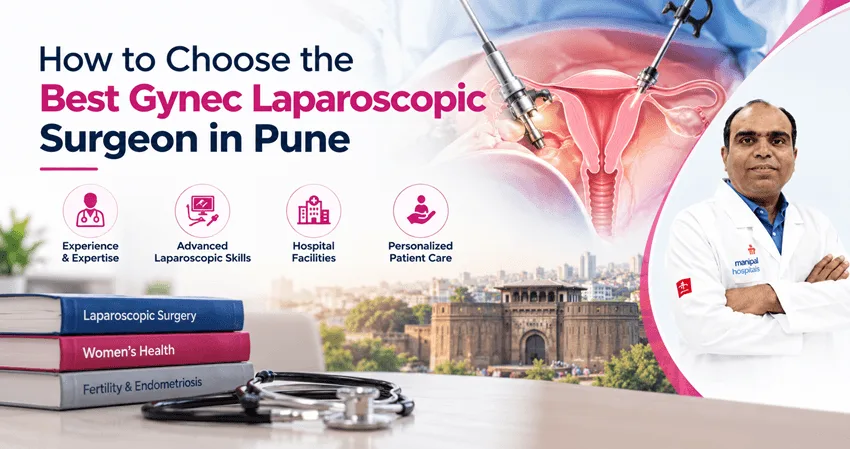
How to Choose the Best Gynec Laparoscopic Surgeon in Pune
Choosing the right gynec laparoscopic surgeon is an important decision when a woman needs specialized treatment for uterine fibroids, ovarian cysts, endometriosis, or other gynecological conditions. The right specialist should combine relevant surgical experience, advanced training, appropriate medical facilities, and a patient-centred approach to care.
For women searching for the best gynec laparoscopic surgeon in Pune, understanding the surgeon's qualifications, areas of expertise, and approach to minimally invasive surgery can make the decision easier. Dr. Kapil Kanade is an obstetrician and gynecologist in Pune with over 23 years of experience and specialized training in advanced laparoscopic surgery.
Understanding Gynecological Laparoscopic Surgery
Gynecological laparoscopic surgery is a minimally invasive surgical technique used to diagnose and treat selected conditions affecting the uterus, ovaries, fallopian tubes, and other pelvic structures. The surgeon uses a laparoscope, which contains a camera, along with specialized instruments inserted through small abdominal incisions.
Compared with open surgery, laparoscopy may offer smaller incisions, less postoperative discomfort, reduced scarring, and a shorter hospital stay for appropriately selected patients. Recovery depends on the type of procedure, the complexity of the condition, and the patient's overall health.
Laparoscopic surgery is not necessary for every gynecological problem. A thorough assessment helps determine whether medication, observation, another treatment, or minimally invasive surgery is the most suitable option.
What Makes a Good Gynec Laparoscopic Surgeon?
An experienced gynec laparoscopic surgeon needs more than general gynecological knowledge. The specialist should understand pelvic anatomy, minimally invasive surgical techniques, appropriate patient selection, and the management of possible surgical complications.
Experience in Advanced Laparoscopic Procedures
Experience with the specific procedure being considered is particularly important. Treating uterine fibroids may require a different surgical approach from removing an ovarian cyst or performing a laparoscopic hysterectomy.
A specialist familiar with the relevant procedure can assess the condition, explain the available treatment approaches, and help patients understand the expected benefits, limitations, and potential risks.
Specialized Training and Qualifications
Formal training in advanced laparoscopy helps surgeons develop the technical skills required for minimally invasive gynecological procedures. Additional training in infertility can also be relevant when evaluating selected reproductive health concerns.
Patients should consider verified qualifications, specialized training, and experience relevant to their individual diagnosis rather than relying on promotional claims alone.
Appropriate Hospital Facilities
Surgical care depends on the entire medical team, not only the operating surgeon. Appropriate operating facilities, anesthesia services, trained nursing staff, postoperative monitoring, and emergency support are important considerations when planning surgery.
Clear Communication and Individualized Treatment
Every patient's medical history, symptoms, reproductive goals, and treatment preferences are different. A good specialist explains the diagnosis clearly, discusses reasonable alternatives, and develops a treatment plan suited to the patient's needs.
Why Consider Dr. Kapil Kanade for Laparoscopic Gynecological Care in Pune?
Dr. Kapil Kanade is an obstetrician and gynecologist with over 23 years of experience. His professional profile highlights a fellowship in advanced laparoscopy in Germany, a fellowship in infertility, and his role as Head of Department at Manipal Hospital, Kharadi.
His practice includes advanced laparoscopic and robotic gynecological surgery. This combination of clinical experience and specialized training is relevant for women seeking evaluation for conditions that may require minimally invasive surgical treatment.
Dr. Kanade's approach to a patient's care should begin with understanding the diagnosis, reviewing relevant investigations, and assessing whether surgery is necessary. Where an operation is appropriate, the proposed procedure, potential risks, expected recovery, and available alternatives should be explained before treatment.
The most appropriate treatment depends on an individual medical assessment. No single surgeon or surgical technique is necessarily the right choice for every patient.
Gynecological Conditions That May Require Laparoscopic Treatment
Laparoscopic surgery can be considered for several gynecological conditions when clinical findings indicate that an operation may be beneficial.
Uterine Fibroids
Uterine fibroids are non-cancerous growths in or around the uterus. Depending on their size, number, and location, they may cause heavy menstrual bleeding, pelvic pressure, pain, or reproductive difficulties.
For selected patients, laparoscopic myomectomy may be an option to remove fibroids while preserving the uterus. Treatment depends on the symptoms, fibroid characteristics, and future pregnancy plans.
Ovarian Cysts and Chocolate Cysts
Ovarian cysts can develop for different reasons, and many do not require surgery. Monitoring may be appropriate for some cysts, while others may need further investigation or surgical management.
Chocolate cysts, also known as ovarian endometriomas, are associated with endometriosis. Their management depends on symptoms, imaging findings, ovarian reserve, fertility goals, and the potential benefits and risks of surgery.
Endometriosis
Endometriosis occurs when tissue similar to the uterine lining grows outside the uterus. It may contribute to painful periods, persistent pelvic pain, pain during intercourse, and fertility difficulties.
Laparoscopic surgery may be considered in selected cases to treat endometriosis. The treatment plan should account for disease severity, previous treatment, symptoms, and reproductive goals.
Laparoscopic Hysterectomy
A hysterectomy is an operation to remove the uterus. It may be recommended for certain conditions when other treatments are unsuitable or have not provided adequate relief.
The decision depends on the diagnosis, symptom severity, medical history, and patient preferences. The surgeon should explain the alternatives and implications of the procedure before surgery.
Selected Infertility-Related Conditions
Some pelvic conditions, including endometriosis and adhesions, may affect fertility. In selected patients, laparoscopy may help diagnose or treat specific abnormalities.
However, laparoscopy is not required for every infertility evaluation. The potential benefit of surgery should be considered alongside other fertility investigations and treatment options.
Benefits of Minimally Invasive Gynecological Surgery
When laparoscopic surgery is appropriate, its minimally invasive approach can offer several potential advantages over open surgery.
Smaller incisions generally result in less visible scarring and may reduce wound-related discomfort. Some patients experience less postoperative pain, a shorter hospital stay, and an earlier return to routine activities.
The laparoscope provides a magnified view of the surgical area, helping the surgeon visualize pelvic structures during the procedure.
These benefits vary with the operation and the patient's condition. Laparoscopic surgery still carries risks, including bleeding, infection, injury to nearby organs, anesthesia-related complications, and the possibility of conversion to open surgery. A qualified surgeon should discuss these risks as part of informed consent.
The Importance of a Personalized Treatment Plan
Choosing a gynec laparoscopic surgeon is also about finding a specialist who considers the complete clinical picture. Symptoms, examination findings, ultrasound or other imaging results, previous operations, existing medical conditions, and future pregnancy plans may all influence treatment decisions.
For example, a woman with a small, uncomplicated ovarian cyst may need observation rather than surgery. Another patient with persistent symptoms or concerning imaging findings may require further investigation and a different treatment approach.
An individualized plan helps ensure that surgery is considered when appropriate and that non-surgical options are not overlooked.
Preparing for Surgery and Recovery
If laparoscopic surgery is recommended, the medical team will explain the necessary investigations, preoperative instructions, anesthesia assessment, and expected hospital stay.
Recovery varies according to the procedure and individual health. Patients should follow their surgeon's instructions regarding wound care, medicines, physical activity, exercise, and follow-up appointments.
Fever, worsening abdominal pain, heavy bleeding, breathing difficulties, or other concerning symptoms after surgery require prompt medical assessment.
Good postoperative care is an important part of the overall treatment process and supports appropriate monitoring during recovery.
Choosing the Right Specialist for Your Women's Health Needs
When comparing gynec laparoscopic surgeons in Pune, consider relevant qualifications, experience with the proposed procedure, hospital facilities, transparency about risks and costs, and the quality of communication.
Dr. Kapil Kanade's profile highlights over 23 years of experience, advanced laparoscopic training in Germany, a fellowship in infertility, and experience in minimally invasive gynecological care. These are relevant factors for patients considering a consultation for conditions that may require laparoscopic treatment.
A consultation can help establish whether the surgeon's expertise and proposed approach are suitable for your specific condition. The final treatment decision should be based on clinical findings, a clear discussion of alternatives, and informed patient consent.
Consult Dr. Kapil Kanade in Pune
Women experiencing persistent gynecological symptoms or seeking an opinion about laparoscopic surgery can contact Dr. Kapil Kanade's clinic to discuss an appointment.
Doctor: Dr. Kapil Kanade, Obstetrician & Gynecologist
Consultation Location: Sunshine Hospital, 1st Floor, Marvel Fuego, 1090, above Nexa Showroom, Amanora Park Town, Hadapsar, Pune, Maharashtra 411028.
Contact Number: +91 9697973636
Contact the clinic to confirm current appointment availability and consultation details.
Conclusion
Choosing the best gynec laparoscopic surgeon in Pune requires careful consideration of surgical experience, specialized training, hospital support, and an individualized approach to treatment. These factors can help patients make informed decisions about their gynecological health.
With over 23 years of experience and specialized training in advanced laparoscopy, Dr. Kapil Kanade offers consultations for women considering evaluation and treatment for a range of gynecological conditions. A thorough medical assessment is the first step towards understanding the available options and selecting an appropriate treatment plan.