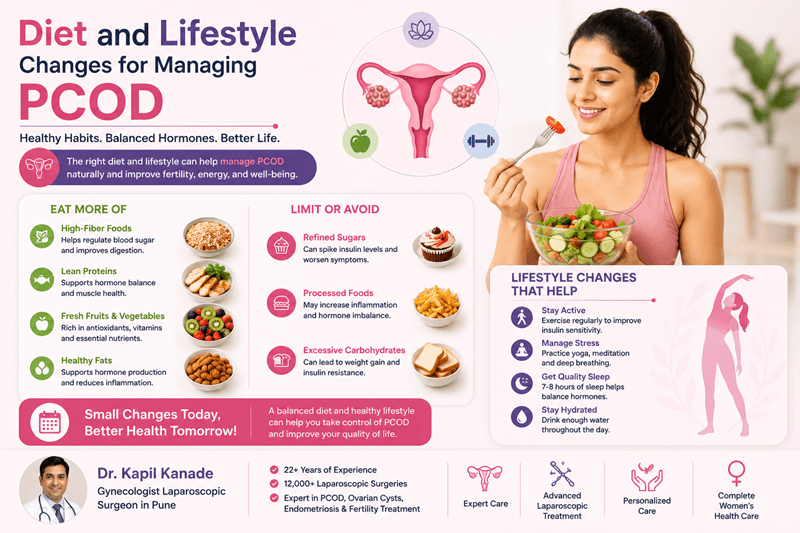
Diet and Lifestyle Changes for Managing PCOD
Polycystic Ovarian Disease (PCOD) is a common hormonal condition that affects millions of women worldwide. While medications may help manage symptoms, diet and lifestyle changes play a crucial role in controlling PCOD and improving overall reproductive health.
A healthy lifestyle can help regulate menstrual cycles, improve fertility, support weight management, and reduce the risk of long-term complications associated with PCOD.
If you have been diagnosed with PCOD, consulting an experienced gynecologist laparoscopic surgeon in Pune can help you develop a personalized treatment plan that combines medical care with lifestyle modifications.
Understanding PCOD
PCOD occurs when hormonal imbalance affects normal ovarian function. The ovaries may develop multiple small cysts, leading to irregular ovulation and menstrual disturbances.
Women with PCOD may experience:
- Irregular periods
- Weight gain
- Acne
- Hair thinning
- Difficulty conceiving
- Ovarian cysts
- Hormonal imbalance
Why Diet Matters in PCOD Management
Food directly affects insulin levels, hormone balance, metabolism, and weight control.
A healthy diet can help:
- Improve insulin sensitivity
- Reduce inflammation
- Support regular ovulation
- Control weight gain
- Improve fertility
- Promote hormonal balance
Best Foods for Women with PCOD
High-Fiber Foods
Fiber helps control blood sugar levels and supports healthy digestion.
Examples include:
- Oats
- Whole grains
- Brown rice
- Lentils
- Beans
- Vegetables
Lean Protein Sources
Protein helps maintain energy levels and supports metabolism.
Good options include:
- Eggs
- Fish
- Chicken
- Paneer
- Tofu
- Greek yogurt
Fresh Fruits and Vegetables
Rich in vitamins, minerals, and antioxidants.
Include:
- Apples
- Berries
- Oranges
- Spinach
- Broccoli
- Carrots
Healthy Fats
Healthy fats support hormone production and overall health.
Examples:
- Nuts
- Seeds
- Avocados
- Olive oil
Foods to Limit in PCOD
Women with PCOD should reduce:
Refined Sugars
- Soft drinks
- Cakes
- Pastries
- Chocolates
Processed Foods
- Chips
- Packaged snacks
- Fast food
Excessive Carbohydrates
- White bread
- Refined flour products
- Sugary cereals
Reducing these foods may improve insulin resistance and hormone balance.
Importance of Regular Exercise
Physical activity is one of the most effective ways to manage PCOD symptoms.
Benefits include:
- Better insulin sensitivity
- Weight management
- Improved ovulation
- Reduced stress
- Better fertility outcomes
Aim for at least 30–45 minutes of exercise most days of the week.
Effective Exercises for PCOD
Walking
A simple and effective way to improve metabolism.
Strength Training
Helps increase muscle mass and improve insulin sensitivity.
Yoga
Can reduce stress and support hormonal balance.
Cycling and Swimming
Excellent low-impact activities for overall fitness.
Weight Management and PCOD
Even a modest reduction in body weight can improve:
- Menstrual regularity
- Ovulation
- Fertility
- Hormonal balance
Weight management should focus on sustainable lifestyle changes rather than extreme dieting.
Managing Stress in PCOD
Stress can worsen hormonal imbalance and PCOD symptoms.
Helpful stress-management techniques include:
- Meditation
- Deep breathing exercises
- Yoga
- Quality sleep
- Hobbies and relaxation activities
PCOD and Fertility
Many women with PCOD worry about infertility.
The good news is that lifestyle improvements often enhance fertility by promoting regular ovulation and better hormonal health.
Women planning pregnancy should seek guidance from a gynec laparoscopic surgeon in Pune for fertility-focused evaluation and treatment.
PCOD, Ovarian Cysts, Endometriosis and Chocolate Cysts
Although PCOD primarily affects ovulation and hormone balance, some women may also experience conditions such as:
Ovarian Cysts
Fluid-filled sacs that may require monitoring or treatment.
Endometriosis
A condition where uterine-like tissue grows outside the uterus, causing pain and fertility concerns.
Chocolate Cysts
A type of ovarian cyst associated with endometriosis that may affect fertility if untreated.
Early diagnosis helps ensure effective management of these conditions.
When Lifestyle Changes Are Not Enough
Some women may require additional treatment if symptoms persist despite lifestyle modifications.
Treatment options may include:
- Hormonal medications
- Fertility treatment
- Ovulation induction
- Advanced laparoscopic procedures
A gynecologist laparoscopic surgeon in Pune can recommend the most appropriate treatment plan.
Why Choose Dr. Kapil Kanade?
Dr. Kapil Kanade is a trusted gynecologist laparoscopic surgeon in Pune with over 22 years of experience in managing:
- PCOD
- Ovarian Cysts
- Endometriosis
- Chocolate Cysts
- Infertility
- Women's Reproductive Health
Highlights
- 22+ Years of Experience
- 12,000+ Laparoscopic Surgeries
- Advanced Women's Healthcare
- Personalized Treatment Plans
Book a Consultation
If you are struggling with PCOD symptoms, consult Dr. Kapil Kanade for expert diagnosis and personalized guidance. The right combination of diet, lifestyle changes, and medical care can significantly improve your health, fertility, and quality of life.