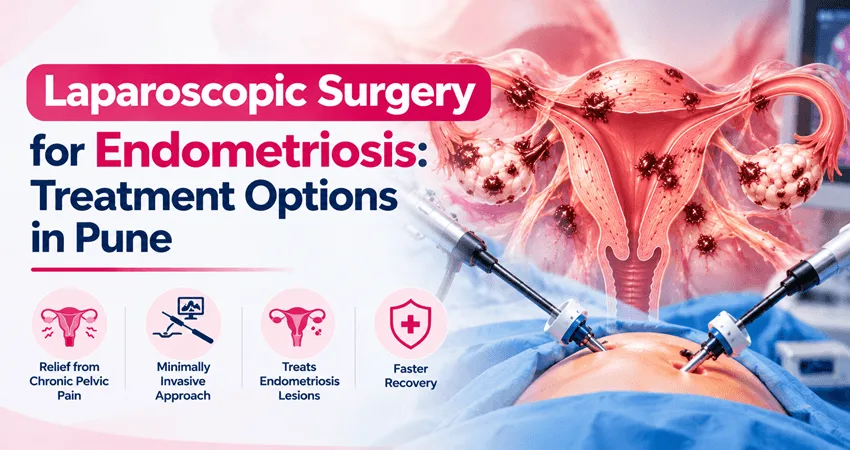
Laparoscopic Surgery for Endometriosis: Treatment Options in Pune
Endometriosis is a gynaecological condition in which tissue similar to the lining of the uterus grows outside the uterus. It can cause painful periods, chronic pelvic pain, pain during intercourse and, in some women, difficulty becoming pregnant. The severity of symptoms varies, and the condition can affect daily activities and quality of life.
Laparoscopic surgery for endometriosis is a minimally invasive surgical approach that allows a surgeon to examine the pelvic area and, when appropriate, remove or destroy endometriosis lesions through small abdominal incisions. For women exploring endometriosis treatment in Pune, understanding the available options, the role of surgery and the recovery process can help them make informed decisions.
Dr. Kapil Kanade is an obstetrician and gynaecologist with over 23 years of experience, according to his professional profile, which also highlights specialized training in advanced laparoscopy in Germany. A detailed gynaecological assessment can help determine whether medical treatment, laparoscopic surgery or a combination of approaches is suitable for an individual patient.
What Is Endometriosis?
Endometriosis occurs when tissue similar to the endometrium, the lining of the uterus, grows outside the uterus. These growths may develop on the ovaries, fallopian tubes, pelvic lining and other structures. In some cases, endometriosis can cause ovarian cysts called endometriomas or involve deeper tissues around the pelvis.
The condition is associated with inflammation and can lead to pain, scar tissue and adhesions that cause pelvic organs to stick together. The location and extent of endometriosis vary from one woman to another.
Endometriosis is not simply a problem of painful periods. Some women experience significant pain with relatively limited visible disease, while others may have extensive disease with fewer symptoms. Treatment should therefore be based on the patient's symptoms, examination findings, investigations and personal goals.
Common Symptoms of Endometriosis
The symptoms of endometriosis can vary in frequency and intensity. Some women experience symptoms mainly during menstruation, while others have persistent pelvic discomfort throughout the month.
Painful Periods
Severe menstrual cramps that interfere with work, education, sleep or everyday activities may be associated with endometriosis. Pain that progressively worsens or does not respond adequately to usual pain relief warrants medical evaluation.
Chronic Pelvic Pain
Endometriosis may cause recurring or persistent pain in the lower abdomen or pelvic region. The discomfort can occur before, during or after menstruation and may affect daily activities.
Pain During or After Intercourse
Some women experience deep pain during or after sexual intercourse. This can occur when endometriosis affects structures around the uterus or deeper pelvic tissues.
Pain During Bowel Movements or Urination
Pain during bowel movements or urination, particularly around menstruation, can occur when endometriosis affects tissues near the bowel or urinary tract. These symptoms should be assessed to identify the underlying cause.
Difficulty Becoming Pregnant
Endometriosis may be associated with infertility in some women. The effect depends on several factors, including the extent of disease, ovarian function, fallopian tube health and other fertility-related considerations.
Not every woman with endometriosis experiences all these symptoms. A gynaecologist can help evaluate persistent or unusual symptoms and discuss appropriate investigations and treatment.
How Is Endometriosis Diagnosed?
Diagnosis begins with a review of symptoms, menstrual history, medical history and a clinical assessment. The gynaecologist may recommend a pelvic examination when appropriate, along with imaging and other investigations based on the patient's needs.
Ultrasound Examination
Pelvic ultrasound may help identify ovarian endometriomas and certain other pelvic abnormalities. However, a normal ultrasound does not rule out endometriosis, particularly superficial disease.
MRI Scan
Magnetic resonance imaging may be useful when deep endometriosis is suspected or when more detailed mapping of disease is needed for treatment planning. It is not necessary for every patient.
Role of Laparoscopy in Diagnosis
Laparoscopy allows the surgeon to examine pelvic structures directly through a camera inserted via a small abdominal incision. It may be used to investigate or treat suspected endometriosis in selected cases.
However, surgery is not automatically required for every suspected case. Clinical assessment and imaging may be sufficient to begin treatment, depending on the circumstances. The decision to perform laparoscopy should consider the expected benefits, risks and alternative approaches.
Treatment Options for Endometriosis
Endometriosis treatment is individualized. The appropriate option depends on the severity of symptoms, the location of disease, previous treatments, age, fertility goals and the patient's preferences.
Pain Relief Medication
Pain-relieving medicines may help manage menstrual pain and pelvic discomfort. A clinician can advise which medicines are appropriate, taking into account other health conditions, possible side effects and how frequently medication is needed.
Pain relief may improve symptoms but does not remove endometriosis lesions.
Hormonal Treatment
Hormonal treatments, including certain contraceptive medicines and progestogen-based therapies, may help reduce menstrual symptoms and suppress endometriosis activity.
These treatments may be appropriate for women who are not currently trying to conceive. The choice depends on the patient's medical history, preferences, treatment response and possible side effects.
Hormonal treatment generally controls symptoms rather than permanently eliminating endometriosis, and symptoms may return after treatment is discontinued.
Laparoscopic Surgery
Laparoscopic surgery may be considered when symptoms persist despite appropriate medical treatment, medicines are unsuitable, endometriosis causes certain anatomical problems or surgery is being considered as part of an individualized fertility treatment plan.
The surgeon may remove endometriosis lesions, release adhesions or treat ovarian endometriomas when appropriate. The precise procedure depends on the location and extent of disease and the patient's goals.
Fertility-Focused Treatment
For women who wish to become pregnant, the treatment plan should account for age, ovarian reserve, fallopian tube function, semen factors and other fertility considerations.
Surgery may benefit selected patients, but it is not always the best first step. Surgery involving ovarian endometriomas can reduce ovarian reserve, so potential benefits and risks should be discussed carefully. Fertility treatment, including assisted reproductive techniques, may be considered where appropriate.
What Is Laparoscopic Surgery for Endometriosis?
Laparoscopic surgery is a minimally invasive procedure performed through small abdominal incisions using a camera and specialized instruments. It allows the surgeon to inspect the pelvic area and treat endometriosis lesions when surgical treatment is indicated.
Depending on the disease, surgery may involve excision, which means cutting out endometriosis lesions, or ablation, which means destroying lesions using an appropriate energy source. Adhesions may also be released when necessary.
For deeper or more extensive endometriosis, surgery may require additional planning or the involvement of other specialists, particularly if the bowel, bladder or urinary tract is affected.
The aim is to treat the disease as safely and effectively as possible while protecting surrounding organs and considering the patient's fertility goals.
When Is Laparoscopic Surgery Recommended for Endometriosis?
Laparoscopic surgery may be considered in selected situations.
Persistent Pain Despite Medical Treatment
When pelvic pain or painful periods remain troublesome despite appropriate medication or hormonal treatment, surgery may be discussed as an option.
The decision depends on symptom severity, suspected disease location, previous treatments, possible surgical benefits and the patient's preferences.
Ovarian Endometriomas
Endometriomas are cysts associated with endometriosis that develop within the ovaries. Surgery may be considered when a cyst causes significant symptoms, has concerning features or requires further assessment.
The potential impact on ovarian reserve is particularly important when fertility is a priority. Not every endometrioma requires surgery.
Deep Endometriosis
Deep endometriosis may affect tissues around the uterus, bowel, bladder or ureters. When surgery is being considered, detailed preoperative assessment and careful planning are important.
Complex cases may require a multidisciplinary team with appropriate surgical expertise.
Adhesions Affecting Pelvic Anatomy
Endometriosis can cause scar tissue and adhesions that restrict the movement of pelvic organs. In selected cases, laparoscopic surgery may be used to release these adhesions.
The likely benefit depends on the extent of adhesions and the underlying cause of the symptoms.
Selected Fertility-Related Cases
In some women, surgery may be considered as part of fertility management. However, the effect of surgery on the chance of pregnancy varies with age, disease severity, ovarian reserve and other fertility factors.
A fertility-focused discussion should take place before surgery so that the patient understands the potential benefits, limitations and alternatives.
How Is Laparoscopic Endometriosis Surgery Performed?
The exact procedure depends on the location and extent of disease and the treatment plan agreed upon by the patient and surgical team.
1. Preoperative Assessment
Before surgery, the gynaecologist reviews the patient's symptoms, previous treatment, medical history and relevant investigation findings. Imaging may be recommended to assess ovarian cysts or suspected deep disease.
The surgeon explains the proposed procedure, expected benefits, alternatives and possible complications. Fertility goals should be discussed, particularly if the ovaries may be involved.
2. Anaesthesia and Small Incisions
The procedure is generally performed under general anaesthesia. The surgeon makes small abdominal incisions to introduce a camera and specialized surgical instruments.
The camera provides a view of the pelvic organs and helps the surgeon identify areas that may be affected by endometriosis.
3. Examination of the Pelvic Area
The surgeon examines the pelvic structures and assesses the location and extent of visible disease. The findings may guide the treatment performed during the operation.
The planned procedure may need to be adjusted if the findings differ from what was expected before surgery.
4. Treatment of Endometriosis Lesions
Depending on the case, the surgeon may excise or ablate lesions and release adhesions. If an ovarian endometrioma is present, a suitable procedure may be considered after weighing the potential benefit against the risk of damage to healthy ovarian tissue.
Disease involving the bowel, bladder or ureters may require specialized techniques or support from other surgical specialists.
5. Completion and Postoperative Monitoring
After the planned treatment, the surgeon checks the operative area, completes the procedure and closes the incisions.
The patient is monitored during recovery from anaesthesia. The hospital stay and postoperative instructions depend on the extent of surgery, the patient's health and whether any complications occur.
Benefits of Laparoscopic Surgery for Endometriosis
For appropriately selected patients, laparoscopic surgery can offer several potential benefits.
Small Incisions
Laparoscopic surgery uses small abdominal incisions rather than the larger incision associated with open surgery. This generally results in smaller external scars.
Treatment of Visible Endometriosis Lesions
Surgery can allow the surgeon to remove or destroy visible lesions and treat certain associated problems, such as adhesions or ovarian endometriomas, when appropriate.
The results depend on the type, location and extent of disease and the completeness and safety of treatment.
Potential Improvement in Pain
Some patients experience improvement in pelvic pain after surgery. However, pain relief is not guaranteed, and symptoms can persist or return. Other causes of pelvic pain may also need assessment and treatment.
Treatment of Adhesions and Selected Anatomical Problems
Laparoscopic surgery may help release adhesions and address selected anatomical problems caused by endometriosis.
The expected benefit depends on the individual findings and the organs involved.
Potential Role in Fertility Management
Surgery may improve the chances of natural conception for certain patients, depending on the disease and other fertility factors. It does not guarantee pregnancy, and surgery involving the ovaries may reduce ovarian reserve.
The decision should be based on an individualized fertility assessment.
Risks and Possible Complications of Laparoscopic Surgery
Although laparoscopic surgery is commonly performed, it is not risk-free. Potential complications include bleeding, infection, anaesthesia-related complications, blood clots and injury to nearby organs such as the bowel, bladder, blood vessels or ureters.
Other risks may include the formation of new adhesions, persistent pain, recurrence of endometriosis and the need for further treatment or surgery. When ovarian surgery is performed, there may be a reduction in ovarian reserve.
The likelihood of complications depends on the patient's health, the complexity of surgery, the location of disease and the surgeon's assessment.
Patients should discuss the expected benefits, risks and alternatives before giving informed consent.
Recovery After Laparoscopic Endometriosis Surgery
Recovery varies according to the extent of surgery. A relatively straightforward procedure may allow a quicker return to daily activities than surgery involving deep endometriosis, an ovarian endometrioma or other pelvic organs.
First Few Days
Mild abdominal discomfort, tiredness, bloating or shoulder discomfort from the gas used during laparoscopy may occur. The medical team may recommend prescribed pain relief, gentle walking and wound care.
Patients should follow their discharge instructions and take medicines as directed.
The First One to Two Weeks
Energy levels may gradually improve. Gentle activity is often encouraged, while strenuous exercise and heavy lifting should be avoided until the treating surgeon advises otherwise.
The timing of return to work depends on the extent of surgery, recovery progress and the physical demands of the job.
Following Weeks
Patients gradually increase activity as healing progresses. Recovery may take longer after complex surgery involving the bowel, bladder or other pelvic structures.
Follow-up appointments allow the gynaecologist to assess healing, review the surgical findings and discuss further treatment where needed.
Fever, worsening abdominal pain, heavy bleeding, persistent vomiting, difficulty urinating, difficulty breathing or other concerning symptoms after surgery require prompt medical assessment.
Can Endometriosis Return After Laparoscopic Surgery?
Yes. Endometriosis symptoms or lesions can return after surgery. The possibility of recurrence depends on several factors, including the extent of disease, the type of procedure, individual biology and subsequent treatment.
Some patients may benefit from hormonal treatment after surgery to help manage symptoms and reduce recurrence risk when they are not trying to conceive and have no contraindications.
Follow-up care is important if pelvic pain, painful periods or other symptoms return. Further treatment should be guided by the patient's symptoms, fertility goals and clinical assessment.
Laparoscopic Surgery and Fertility: What Should Women Know?
Endometriosis can affect fertility, but the effect varies between individuals. Surgery may help selected patients, particularly when disease affects pelvic anatomy, but it is not a guaranteed fertility treatment.
The decision to operate should take into account the patient's age, ovarian reserve, disease location, fallopian tube function, other fertility factors and plans for pregnancy.
Ovarian endometrioma surgery deserves particular care because removing a cyst may also affect healthy ovarian tissue. For some patients, fertility treatment without prior surgery may be more appropriate.
Women who are planning pregnancy should discuss their options with a gynaecologist or fertility specialist before deciding on surgery.
Why Consider Dr. Kapil Kanade for Endometriosis Consultation in Pune?
Dr. Kapil Kanade is an obstetrician and gynaecologist with over 23 years of experience, according to his professional profile. His listed qualifications and experience include a fellowship in advanced laparoscopy in Germany and a fellowship in infertility.
Advanced laparoscopic training is relevant when evaluating gynaecological conditions that may require minimally invasive surgery. However, the appropriate treatment for endometriosis depends on the individual diagnosis, disease location, symptom severity and fertility goals.
During a consultation, patients should discuss the likely cause of their symptoms, the need for further investigations, available medical and surgical options, the potential risks of surgery and the expected follow-up plan.
For suspected deep endometriosis or disease involving the bowel, bladder or urinary tract, patients should ask whether additional specialist assessment or a multidisciplinary surgical team is needed.
Cost of Laparoscopic Surgery for Endometriosis in Pune
The cost of laparoscopic endometriosis surgery in Pune varies according to the complexity of the procedure, the hospital, surgeon and anaesthesia fees, investigations, medicines and length of hospital stay.
Surgery for superficial lesions may involve different resources and costs from procedures involving ovarian endometriomas or deep endometriosis affecting other pelvic organs.
Additional specialist involvement and postoperative care can also influence the final estimate. Patients should request an itemized cost estimate and confirm insurance coverage, preauthorization requirements and exclusions before scheduling surgery.
When Should You Consult a Gynaecologist?
Women should consider a gynaecological assessment if they experience severe period pain, persistent pelvic pain, pain during intercourse, pain during bowel movements around menstruation or difficulty becoming pregnant.
These symptoms can have several causes, and they do not automatically mean that endometriosis is present. Early assessment can help identify the likely cause and guide appropriate treatment.
Sudden severe pelvic pain, fainting, heavy bleeding or pain accompanied by fever requires urgent medical assessment rather than waiting for a routine appointment.
Conclusion
Laparoscopic surgery is an important treatment option for selected women with endometriosis, particularly when symptoms persist despite medical treatment or when ovarian cysts, adhesions or other complications require surgical management.
Potential benefits include small incisions, treatment of visible lesions and possible improvement in pain. However, surgery carries risks, symptoms may recur and fertility outcomes vary. Treatment should be individualized according to the patient's diagnosis, medical history and reproductive goals.
For women exploring laparoscopic surgery for endometriosis in Pune, consultation with an experienced gynaecologist can help clarify the available treatment options and whether surgery is appropriate. A well-planned approach should balance symptom relief, surgical safety, fertility considerations and long-term follow-up.