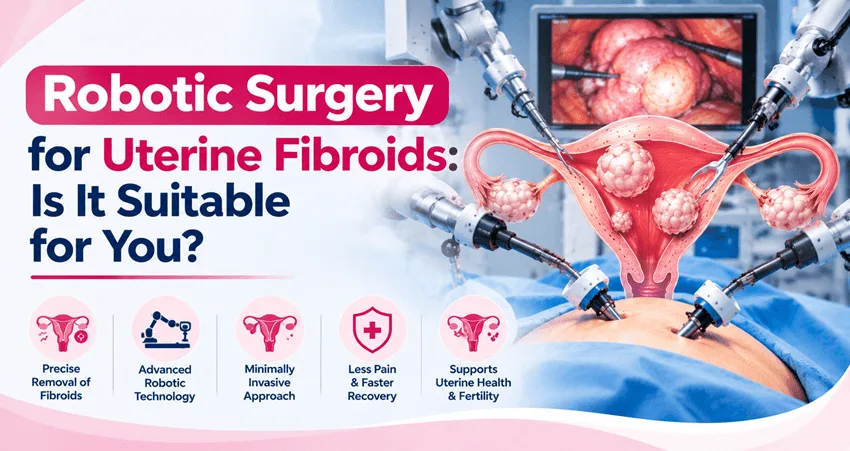
Robotic Surgery for Uterine Fibroids: Is It Suitable for You?
Uterine fibroids are non-cancerous growths that develop in or around the uterus. While some fibroids remain small and cause no symptoms, others may lead to heavy menstrual bleeding, pelvic pressure, abdominal discomfort, frequent urination, or difficulties related to fertility. The right treatment depends on the symptoms, size and location of the fibroids, age, medical history, and future pregnancy plans.
Robotic surgery is one minimally invasive option that may be considered for selected women who need surgical removal of uterine fibroids. However, it is not necessary for every patient, and it is not automatically better than conventional laparoscopic or open surgery. Understanding the procedure, its potential benefits, limitations, and alternatives can help you make an informed decision.
If you are exploring treatment for uterine fibroids in Pune, this guide explains when robotic myomectomy may be appropriate and what to discuss with your gynaecologist.
What Are Uterine Fibroids?
Uterine fibroids, also called leiomyomas or myomas, are growths made up of muscle and connective tissue that develop in the uterus. Their number, size, and location vary from person to person.
Fibroids are commonly classified according to where they develop:
Intramural fibroids: Develop within the muscular wall of the uterus.
Submucosal fibroids: Grow toward the uterine cavity and may affect menstrual bleeding and fertility.
Subserosal fibroids: Grow toward the outer surface of the uterus and may cause pelvic pressure or discomfort.
Pedunculated fibroids: Attach to the uterus by a narrow stalk.
Not every fibroid requires treatment. If a fibroid is small and does not cause symptoms, a doctor may recommend monitoring rather than surgery. Treatment becomes a consideration when symptoms are significant, the fibroid affects the uterine cavity, or other clinical factors make intervention appropriate.
What Is Robotic Surgery for Uterine Fibroids?
Robotic surgery for uterine fibroids is a minimally invasive surgical approach in which a trained surgeon controls specialised instruments through a robotic-assisted system. The surgeon operates from a console, using a magnified three-dimensional view and instruments designed to support precise movements.
When the aim is to remove fibroids while preserving the uterus, the operation is called robotic myomectomy. The surgeon separates the fibroids from the surrounding uterine muscle and repairs the uterine wall as required.
The robotic system does not perform the operation independently. The surgeon remains in control throughout the procedure, and the suitability of this approach depends on the patient's condition, the complexity of the fibroids, available technology, and the surgeon's training and experience with robotic surgery.
How Does Robotic Myomectomy Work?
The exact steps depend on the patient's diagnosis and the surgical plan. In general, the process may include the following stages.
1. Preoperative Assessment
The gynaecologist reviews symptoms, medical history, menstrual patterns, fertility goals, and previous abdominal or pelvic surgeries. Ultrasound is commonly used to assess fibroid size, number, and location. Additional investigations may be recommended when clinically necessary.
2. Anaesthesia and Small Incisions
The procedure is performed under general anaesthesia. Small incisions are made in the abdomen to introduce a camera and surgical instruments.
3. Fibroid Removal
Using the robotic-assisted instruments, the surgeon carefully separates the fibroid from the uterine muscle. The approach is planned according to the location and depth of the growths.
4. Repair of the Uterus
After removing the fibroids, the surgeon repairs the uterine muscle where necessary. The method of tissue removal and repair depends on the surgical findings and safety considerations.
5. Recovery and Follow-Up
After surgery, the medical team monitors recovery, pain, bleeding, and other possible complications. Follow-up appointments help assess healing and guide the patient's return to normal activities.
Is Robotic Surgery Suitable for Every Woman With Fibroids?
No. Robotic surgery is one option among several, and the decision should be based on medical need rather than technology alone.
Robotic myomectomy may be considered when:
Fibroids cause heavy menstrual bleeding, pelvic pain, pressure, or other significant symptoms.
The fibroids require surgical removal after assessment of other treatment options.
The number, size, and location of the fibroids make a minimally invasive approach feasible.
Preserving the uterus is important to the patient.
The surgeon believes robotic assistance may be useful for the complexity of the procedure.
Some patients may be better suited to conventional laparoscopy, hysteroscopic surgery, an open operation, medication, or another treatment. Very large or numerous fibroids, their position, previous surgeries, and other medical conditions can affect the choice.
A consultation should include a clear explanation of why a particular approach is recommended and how its expected benefits compare with the alternatives.
Potential Benefits of Robotic Myomectomy
For appropriately selected patients, robotic-assisted surgery may offer benefits associated with minimally invasive surgery.
Small Incisions
Robotic myomectomy generally uses small abdominal incisions rather than one large abdominal incision.
Enhanced Visualisation and Instrument Control
The robotic system provides a magnified three-dimensional view and wristed instrument movement, which may help the surgeon work in confined spaces and perform complex suturing.
Recovery After Minimally Invasive Surgery
Compared with open abdominal surgery, a minimally invasive approach may involve less postoperative discomfort, a shorter hospital stay, and a quicker return to everyday activities. Individual recovery varies.
Uterus-Preserving Treatment
Myomectomy removes fibroids while retaining the uterus. This may be important for women who wish to preserve the possibility of a future pregnancy, although fertility outcomes depend on several factors and cannot be guaranteed.
Important: Robotic surgery has not been shown to be superior to conventional laparoscopy for every outcome or every patient. The best approach is the one that offers an appropriate balance of safety, effectiveness, recovery, cost, and the patient's goals.
Robotic Surgery vs Conventional Laparoscopic vs Open Myomectomy
| Feature | Robotic myomectomy | Conventional laparoscopic myomectomy | Open myomectomy |
|---|---|---|---|
| Incisions | Usually small | Usually small | Generally a larger abdominal incision |
| Surgical instruments | Robotic-assisted instruments controlled by the surgeon | Instruments controlled directly by the surgeon | Instruments used through an abdominal incision |
| Visualisation | Magnified 3D view on the robotic system | Camera-based view; system varies | Direct surgical access and visualisation |
| Recovery | Often shorter than open surgery when suitable | Often shorter than open surgery when suitable | May require a longer recovery |
| Best approach | Depends on case complexity and expertise | Depends on fibroid characteristics and expertise | May be appropriate for selected complex cases |
There is no single best method for all women. The decision should be individualised after reviewing imaging, symptoms, fertility goals, and the experience of the surgical team.
What Are the Risks and Limitations?
Robotic myomectomy is surgery and carries risks even when performed using minimally invasive techniques. Potential complications include bleeding, infection, injury to nearby organs, blood clots, anaesthesia-related complications, and the possible need to change to an open procedure.
Fibroids can also recur or new fibroids can develop after myomectomy. Scar tissue may form, and the effect of surgery on future pregnancy depends on the location of the fibroids, the depth of uterine repair, and other fertility-related factors.
Robotic surgery may cost more than conventional laparoscopic surgery in some settings. It also requires appropriate equipment and a surgeon with relevant training and experience. Patients should ask about the expected costs, alternatives, and the surgeon's experience with the proposed technique before deciding.
Does Robotic Myomectomy Help Preserve Fertility?
Robotic myomectomy preserves the uterus, unlike hysterectomy, which removes it. For some women, removing fibroids that distort the uterine cavity may be relevant to fertility management.
However, preserving the uterus does not guarantee pregnancy. Fertility also depends on age, ovarian reserve, the fallopian tubes, sperm health, other reproductive conditions, and the characteristics of the fibroids.
If you are planning a pregnancy, discuss this before surgery. Your gynaecologist can explain whether removal is likely to be beneficial, how the uterine wall will be repaired, and whether any waiting period or special monitoring may be recommended before trying to conceive.
What Is Recovery Like After Robotic Fibroid Surgery?
Recovery varies depending on the complexity of the operation, the number and size of fibroids removed, the patient's general health, and whether complications occur.
After surgery, patients may experience temporary abdominal soreness, tiredness, or mild discomfort around the incision sites. The medical team will provide guidance on wound care, activity, medication, and follow-up.
Patients should gradually return to normal activities according to their surgeon's instructions and avoid strenuous activity until cleared. Heavy bleeding, fever, worsening abdominal pain, breathing difficulty, or other concerning symptoms require prompt medical assessment.
Your surgeon should provide a personalised recovery plan rather than a fixed timeline that may not apply to your procedure.
Why Consult Dr. Kapil Kanade for Fibroid Treatment in Pune?
Choosing a gynaecologist for fibroid treatment involves more than selecting a surgical technique. It is important to understand the diagnosis, compare available treatments, and discuss how each option relates to your symptoms and reproductive plans.
Dr. Kapil Kanade has experience in obstetrics and gynaecology, including advanced laparoscopic surgery. A consultation can help you review your symptoms and investigations, understand whether surgery is necessary, and discuss the potential role of minimally invasive treatment.
If robotic surgery is being considered, ask specifically about the surgeon's training and experience with robotic-assisted myomectomy, the expected benefits in your case, the available alternatives, and the associated costs. The final treatment recommendation should be based on your individual clinical needs.
Frequently Asked Questions
1. Is robotic surgery the best treatment for uterine fibroids?
Not for everyone. Robotic surgery may be useful in selected cases, but conventional laparoscopy, open surgery, medication, or observation may be more appropriate depending on the fibroids and the patient's goals.
2. Can robotic surgery remove multiple fibroids?
It may be possible to remove multiple fibroids in one operation, depending on their number, size, location, and the surgeon's assessment. The approach should be decided after appropriate imaging and consultation.
3. Is robotic myomectomy painful?
The procedure is performed under general anaesthesia, so the patient is asleep during surgery. Some discomfort is expected afterward, and pain management is provided according to individual needs.
4. How long does recovery take?
Recovery differs from patient to patient and depends on the extent of surgery. Minimally invasive procedures often allow an earlier return to normal activities than open surgery, but your surgeon should advise you on your specific recovery plan.
5. Can I become pregnant after robotic myomectomy?
Pregnancy may be possible because the uterus is retained, but success depends on individual fertility factors and the effect of fibroids on the reproductive system. Discuss pregnancy plans and postoperative advice with your gynaecologist.
6. Can fibroids return after surgery?
Yes. Myomectomy removes the fibroids treated during the operation, but new fibroids may develop later. Follow-up depends on symptoms and your doctor's recommendations.
7. Is robotic fibroid surgery more expensive than laparoscopic surgery?
It may be more expensive, depending on the hospital, equipment, surgeon, and complexity of the procedure. Request an itemised estimate and compare the expected benefits and risks of each suitable option.
Conclusion
Robotic surgery for uterine fibroids can be a useful uterus-preserving treatment for selected women, particularly when the complexity of the procedure may benefit from robotic-assisted instruments. However, it is not automatically the safest, most effective, or most economical option for every patient.
If you are considering uterine fibroid treatment in Pune, consult a qualified gynaecologist to review your symptoms, scan findings, treatment alternatives, and future pregnancy plans. An individualised assessment can help you understand whether robotic myomectomy, conventional laparoscopy, another treatment, or monitoring is the most suitable choice for you.
Disclaimer: This article is for general educational purposes and does not replace a medical consultation, diagnosis, or personalised treatment advice.