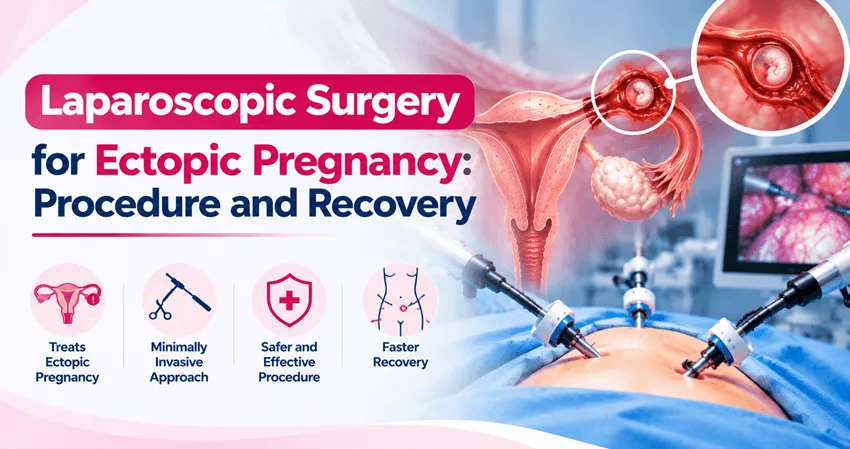
Laparoscopic Surgery for Ectopic Pregnancy: Procedure and Recovery
An ectopic pregnancy occurs when a fertilised egg implants outside the main cavity of the uterus, most commonly in a fallopian tube. Because these structures cannot safely support a growing pregnancy, an ectopic pregnancy requires medical assessment and appropriate treatment. If it grows and causes the fallopian tube to rupture, it can lead to life-threatening internal bleeding.
Laparoscopic surgery is a minimally invasive procedure commonly used to treat ectopic pregnancy when surgery is required and the patient's condition allows a keyhole approach. It uses small abdominal incisions, a camera and specialised instruments to remove the ectopic pregnancy and manage the affected fallopian tube.
For patients seeking gynaecological care in Pune, understanding the diagnosis, treatment options, surgical steps, recovery and possible impact on future fertility can help them prepare for discussions with their treating team. However, suspected ectopic pregnancy requires prompt medical evaluation rather than waiting for a routine appointment.
What Is an Ectopic Pregnancy?
In a typical pregnancy, a fertilised egg travels through a fallopian tube and implants inside the uterus. In an ectopic pregnancy, implantation occurs outside the uterine cavity. Most ectopic pregnancies develop in a fallopian tube, although implantation can occur in other locations.
An ectopic pregnancy cannot be moved into the uterus and cannot develop into a normal pregnancy. Treatment is necessary to protect the patient's health.
Common Symptoms of Ectopic Pregnancy
Symptoms can vary and may initially resemble those of an early pregnancy or other conditions. They can include:
Pain in the lower abdomen or pelvis, sometimes more pronounced on one side
Vaginal bleeding or spotting
Missed period or a positive pregnancy test
Discomfort during bowel movements or urination
Shoulder-tip pain, dizziness or weakness if internal bleeding occurs
Seek emergency medical care immediately if you may be pregnant and experience sudden or severe abdominal pain, shoulder-tip pain, fainting, marked dizziness, weakness or collapse. These can be signs of internal bleeding from a ruptured ectopic pregnancy. Do not wait for a routine consultation or an online response.
How Is Ectopic Pregnancy Diagnosed?
Early diagnosis helps the medical team determine the safest treatment. Assessment commonly includes the following:
Pregnancy Hormone Blood Tests
Blood tests measure human chorionic gonadotropin (hCG), a hormone produced during pregnancy. Measurements taken over time may help the medical team understand how the pregnancy is progressing, although hCG levels alone cannot confirm the location of a pregnancy.
Transvaginal Ultrasound
A transvaginal ultrasound helps assess the uterus, fallopian tubes and surrounding pelvic structures. Sometimes the location of the pregnancy is not clear on the first scan, so repeat blood tests and ultrasound examinations may be required if the patient is clinically stable.
Clinical Assessment
The doctor evaluates symptoms, blood pressure, pulse, examination findings, scan results and other relevant factors. If the patient is unstable or internal bleeding is suspected, urgent treatment takes priority over routine investigations.
When Is Laparoscopic Surgery Needed for Ectopic Pregnancy?
Treatment depends on the patient's symptoms, scan findings, pregnancy hormone levels, evidence of bleeding and overall clinical condition.
The available approaches may include:
Careful monitoring: Suitable only for selected patients who are clinically stable and meet strict criteria, with reliable follow-up.
Medication: Methotrexate may be an option for selected early ectopic pregnancies when the patient meets the necessary clinical criteria and can attend follow-up.
Surgery: Often recommended when there is significant pain, concern about rupture, internal bleeding, certain ultrasound or hCG findings, or when medication is unsuitable or unsuccessful.
Laparoscopic surgery is generally preferred when surgery is needed and the patient's condition and complexity of the procedure allow it. Emergency open surgery may be necessary when there is severe internal bleeding, instability or other circumstances in which a keyhole approach is not safe.
The treating gynaecologist will explain the recommended option according to the patient's condition. A suspected ectopic pregnancy should never be managed without appropriate medical supervision.
What Is Laparoscopic Surgery for Ectopic Pregnancy?
Laparoscopic surgery, also known as keyhole surgery, uses a thin camera called a laparoscope and specialised instruments introduced through small abdominal incisions. The surgeon views the pelvic organs on a monitor and performs the operation under general anaesthesia.
The main goal is to remove the ectopic pregnancy, control bleeding and protect the patient's health. The procedure may also involve removing or attempting to preserve the affected fallopian tube, depending on the extent of damage, the patient's condition and future fertility considerations.
Although laparoscopy is minimally invasive, it remains a significant operation and requires appropriate surgical expertise and postoperative follow-up.
How Is Laparoscopic Ectopic Pregnancy Surgery Performed?
The exact steps depend on the location of the pregnancy, the condition of the fallopian tube and whether bleeding has occurred.
1. Preoperative Assessment
The medical team reviews the ultrasound findings, hCG results, symptoms, medical history and blood tests. In an emergency, stabilisation and preparation for surgery happen urgently.
2. General Anaesthesia
The operation is performed under general anaesthesia, so the patient is asleep and does not feel the procedure.
3. Small Abdominal Incisions
The surgeon makes small incisions in the abdomen to introduce the laparoscope and surgical instruments. The camera provides a view of the pelvic organs on a monitor.
4. Removal of the Ectopic Pregnancy
Depending on the findings, the surgeon may perform one of two main procedures:
Salpingectomy: Removal of the affected fallopian tube containing the ectopic pregnancy. This may be recommended when the tube is severely damaged or bleeding, or when other clinical factors favour removal.
Salpingotomy (also called salpingostomy in some settings): An incision is made in the affected tube to remove the pregnancy while leaving the tube in place. This may be considered in selected cases, but persistent pregnancy tissue can remain and further treatment may be needed.
The choice depends on the damage to the tube, the condition of the other fallopian tube, future fertility goals and the patient's clinical circumstances. Preserving the tube is not always the safest or most effective option.
5. Control of Bleeding and Completion
The surgeon checks for bleeding and completes the planned procedure. If unexpected findings, severe bleeding or other complications make laparoscopy unsafe, conversion to open surgery may be necessary.
6. Recovery Room and Follow-Up
After surgery, the patient is monitored as the effects of anaesthesia wear off. The medical team provides pain relief, wound-care advice and instructions for follow-up. Additional blood tests may be needed, particularly after a salpingotomy, to confirm that pregnancy hormone levels are falling appropriately.
What Are the Benefits of Laparoscopic Surgery?
When appropriate for the patient's condition, laparoscopic surgery may offer several benefits compared with open abdominal surgery.
Smaller Incisions
Keyhole surgery usually uses small abdominal incisions, resulting in smaller scars than a traditional open operation.
Potentially Quicker Recovery
Patients may experience less postoperative discomfort and return to normal activities sooner than after open surgery. The actual recovery depends on the severity of the ectopic pregnancy, blood loss, procedure performed and individual health.
Direct Assessment of the Pelvic Organs
The camera allows the surgeon to examine the pelvis and assess the affected fallopian tube and surrounding structures during the procedure.
Effective Surgical Treatment
Laparoscopy allows the surgeon to remove the ectopic pregnancy and control bleeding when required. The choice of operation is guided by safety and the patient's clinical findings, not simply by the size of the incisions.
Important: Laparoscopic surgery is not appropriate in every emergency. If the patient is unstable or there is severe internal bleeding, the surgical team may need to perform open surgery to provide rapid treatment.
What Are the Risks of Laparoscopic Ectopic Pregnancy Surgery?
As with any operation, laparoscopic surgery carries risks. Potential complications include:
Bleeding and the possible need for a blood transfusion
Infection
Injury to nearby organs, blood vessels, the bowel or bladder
Anaesthesia-related complications
Blood clots
Persistent pregnancy tissue, particularly after a salpingotomy
The need for further treatment or another operation
Conversion to open surgery when required for safety
The risks depend on the patient's condition, the amount of internal bleeding, the extent of damage and the procedure performed. The surgeon should explain the risks relevant to the individual case.
What Is Recovery Like After Laparoscopic Surgery?
Recovery varies from person to person. After an uncomplicated laparoscopic procedure, some patients can leave the hospital the same day or after a short stay, while others require longer observation because of blood loss, pain or other clinical concerns.
During recovery, patients may experience:
Mild abdominal soreness or cramping
Temporary bloating or shoulder-tip discomfort caused by gas used during laparoscopy
Tiredness and reduced energy
Light vaginal bleeding or spotting
Tenderness around the incision sites
The medical team will explain wound care, pain medication, activity restrictions and the timing of follow-up. Patients should gradually resume everyday activities and avoid strenuous exercise or heavy lifting until their surgeon advises that it is safe.
Seek urgent medical assessment for severe or worsening abdominal pain, fainting, significant dizziness, heavy bleeding, fever, breathing difficulty or other concerning symptoms.
There is no single recovery timeline that applies to every patient. Recovery depends on whether the pregnancy ruptured, the amount of bleeding, the type of surgery and the patient's general health.
Will Follow-Up Blood Tests Be Needed?
Yes, follow-up is an important part of treatment, although the exact plan depends on the procedure and clinical findings.
After a salpingotomy, residual pregnancy tissue may remain in the fallopian tube, so hCG blood tests are usually required until the medical team confirms that the pregnancy hormone level has resolved. Additional treatment may be needed if the level does not fall as expected.
After a salpingectomy, follow-up requirements differ, but the patient should still attend the appointments recommended by the treating team and report any new or worsening symptoms.
If the patient's blood group is RhD-negative, the medical team will assess whether anti-D prophylaxis is indicated under the applicable clinical guidance.
Can You Get Pregnant After Ectopic Pregnancy Surgery?
Many women can become pregnant after treatment for an ectopic pregnancy, but future fertility depends on several factors. These include the condition of the remaining fallopian tube, the extent of damage, previous fertility history, age and any underlying conditions.
Removing one fallopian tube does not automatically mean that natural pregnancy is impossible. If the other tube is healthy, natural conception may still occur. However, individual outcomes vary.
If the affected tube is preserved, follow-up is particularly important because persistent pregnancy tissue may require further treatment. Preserving the tube does not guarantee that it will function normally.
Before planning another pregnancy, discuss the timing of trying to conceive, any recommended follow-up and how an early scan can help confirm the location of a future pregnancy. Anyone with a previous ectopic pregnancy should seek early medical advice after a new positive pregnancy test.
Emotional Recovery After an Ectopic Pregnancy
An ectopic pregnancy can be physically and emotionally difficult. Patients may experience grief, anxiety, sadness or concerns about future fertility. These feelings can occur regardless of how early the pregnancy was diagnosed or which treatment was required.
Give yourself time to recover, seek support from trusted people and discuss ongoing emotional distress with a healthcare professional. Your follow-up care should address both physical recovery and emotional wellbeing.
Laparoscopic Ectopic Pregnancy Surgery in Pune
If an ectopic pregnancy is suspected or confirmed, prompt assessment by an appropriately equipped medical team is essential. Treatment decisions must be based on symptoms, ultrasound findings, blood tests and the risk of internal bleeding.
Dr. Kapil Kanade is an obstetrician and gynaecologist with experience in laparoscopic gynaecological surgery. Patients can discuss their diagnosis, surgical options, recovery and future pregnancy considerations with a qualified treating team.
The most appropriate treatment depends on the individual clinical situation. In an emergency, immediate hospital assessment takes priority over arranging a routine consultation.
Conclusion
Laparoscopic surgery is a commonly used treatment for ectopic pregnancy when an operation is required and a keyhole approach is safe. It allows the surgeon to remove the ectopic pregnancy, manage bleeding and assess the affected fallopian tube, while recovery and future fertility depend on the clinical circumstances and procedure performed.
Early diagnosis, appropriate treatment and follow-up are essential. If you experience sudden severe abdominal pain, shoulder-tip pain, fainting or marked dizziness with a possible pregnancy, seek emergency medical care immediately.
Medical disclaimer: This article is for general educational purposes only. It does not replace urgent medical assessment, diagnosis or personalised treatment advice.