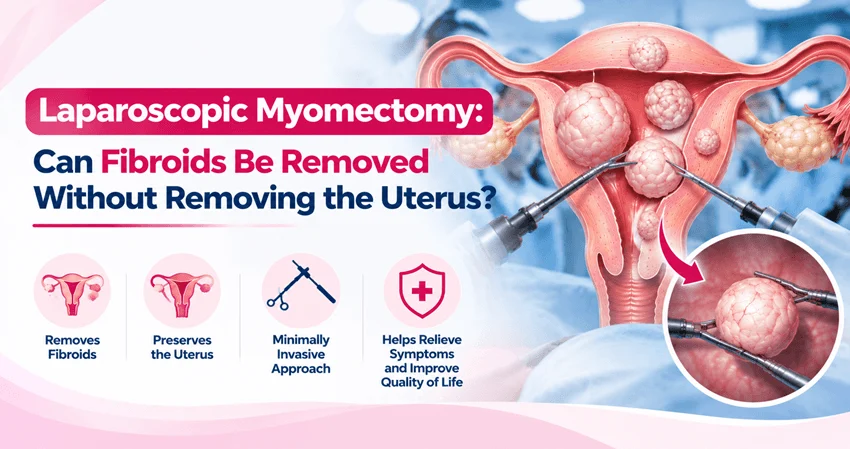
Laparoscopic Myomectomy: Can Fibroids Be Removed Without Removing the Uterus?
Uterine fibroids are non-cancerous growths that develop in or around the muscular wall of the uterus. While some fibroids cause no symptoms, others may lead to heavy menstrual bleeding, pelvic pressure, abdominal discomfort, frequent urination, or fertility-related concerns. When treatment is necessary, the choice depends on the fibroids' size, number and location, the severity of symptoms, and the patient's future pregnancy plans.
For women who need surgical treatment but want to preserve their uterus, laparoscopic myomectomy may be an option. This minimally invasive procedure removes selected fibroids through small abdominal incisions while leaving the uterus in place. It differs from a hysterectomy, in which the uterus is removed.
If you are considering fibroid treatment in Pune, understanding how laparoscopic myomectomy works, who may benefit, its limitations, and its possible effect on future pregnancy can help you make an informed decision with your gynaecologist.
What Are Uterine Fibroids?
Uterine fibroids, also known as leiomyomas or myomas, are growths made of muscle and connective tissue. They are usually benign, meaning they are not cancerous. Fibroids can vary considerably in size and number, and a woman may have one fibroid or several.
Their location influences the symptoms they may cause:
Intramural fibroids: Develop within the muscular wall of the uterus.
Submucosal fibroids: Grow toward the uterine cavity and may contribute to heavy bleeding or fertility concerns.
Subserosal fibroids: Grow toward the outer surface of the uterus and may cause pressure symptoms.
Pedunculated fibroids: Attach to the uterus by a narrow stalk.
Not all fibroids require surgery. If they cause no significant symptoms, monitoring may be sufficient. Treatment may be considered when bleeding, pain, pressure or other problems affect daily life, or when clinical findings make intervention appropriate.
Can Fibroids Be Removed Without Removing the Uterus?
Yes. Laparoscopic myomectomy can remove selected uterine fibroids while preserving the uterus. The procedure is designed for patients who need fibroid removal and for whom a minimally invasive approach is appropriate.
During surgery, the surgeon separates the fibroid from the surrounding uterine muscle and repairs the area where the fibroid was removed. The uterus remains in place.
Myomectomy may be particularly relevant for women who wish to preserve the possibility of a future pregnancy. However, keeping the uterus does not guarantee fertility, and the benefits must be weighed against possible complications, including bleeding, scar formation, recurrence and risks in a future pregnancy.
Not every fibroid can be removed laparoscopically. The recommended approach depends on the size, number and location of the fibroids, the complexity of the operation, the patient's health and the surgeon's experience.
What Is Laparoscopic Myomectomy?
Laparoscopic myomectomy is a minimally invasive surgical procedure performed under general anaesthesia. The surgeon makes small incisions in the abdomen and inserts a laparoscope—a thin camera—and specialised instruments to view the pelvic organs and remove the fibroids.
The procedure usually involves:
Examining the uterus and locating the fibroids.
Making a planned incision in the uterine muscle over the fibroid.
Separating and removing the fibroid.
Repairing the uterine muscle with sutures.
Removing the fibroid tissue using an appropriate extraction method.
The surgical plan depends on the patient's anatomy and the fibroids being treated. The surgeon should also explain how the tissue will be removed and what precautions will be used when tissue fragmentation is considered.
Who May Be Suitable for Laparoscopic Myomectomy?
Laparoscopic myomectomy may be considered for women whose fibroids cause significant symptoms or require surgical treatment, provided the fibroid characteristics make a keyhole procedure appropriate.
A gynaecologist may discuss this option if you have:
Heavy or prolonged menstrual bleeding that affects everyday life.
Pelvic pain, pressure or abdominal discomfort related to fibroids.
Frequent urination or pressure on nearby organs.
Selected fibroids that may be contributing to fertility problems.
A preference to preserve the uterus, where this is medically appropriate.
Fibroids that can be safely removed and the uterus adequately repaired using a laparoscopic approach.
The suitability assessment also considers the number and size of fibroids, their depth within the uterine wall, previous abdominal surgery, general health, anaesthesia risks and future pregnancy plans.
Some patients may be better suited to hysteroscopic myomectomy, open myomectomy, medication, another procedure or monitoring. The aim is to choose a safe and effective treatment for the individual rather than to use the same operation for everyone.
How Is Laparoscopic Myomectomy Performed?
1. Preoperative Assessment
Before surgery, the gynaecologist reviews symptoms, medical history, menstrual bleeding, previous treatments and reproductive goals. Ultrasound is commonly used to determine the size, number and location of fibroids. MRI or other investigations may be recommended when additional detail is needed.
Blood tests may be arranged to check for anaemia and assess general fitness for surgery. The medical team will explain the procedure, alternatives, possible complications and expected recovery.
2. General Anaesthesia and Small Incisions
The operation is performed under general anaesthesia. The surgeon makes several small incisions in the abdomen through which the camera and surgical instruments are inserted.
3. Fibroid Removal
The surgeon identifies the fibroids and separates them from the surrounding uterine muscle. The technique depends on their location and depth. The aim is to remove the planned fibroids while minimising injury to healthy tissue.
4. Repair of the Uterine Muscle
After removal, the surgeon repairs the uterine wall with sutures as required. Careful repair is important for healing and may be particularly relevant for patients who plan a future pregnancy.
5. Safe Removal of Fibroid Tissue
The fibroid tissue is removed using an approach selected for the patient's circumstances. Depending on the case, this may involve removing tissue through an incision or using an appropriate fragmentation technique with safety precautions. The surgeon should discuss the planned extraction method and its risks before surgery.
6. Postoperative Monitoring
After surgery, the medical team monitors recovery, pain, bleeding and other possible complications. Instructions are provided for wound care, activity, medication and follow-up appointments.
What Are the Benefits of Laparoscopic Myomectomy?
When suitable for the patient, laparoscopic myomectomy may offer several advantages compared with open abdominal surgery.
The Uterus Is Preserved
The procedure removes fibroids without routinely removing the uterus. This may be important for women who want to retain their uterus or consider pregnancy in the future.
Smaller Incisions
Laparoscopic surgery generally uses smaller abdominal incisions than open myomectomy, resulting in smaller scars.
Potentially Faster Recovery
Compared with open surgery, a laparoscopic approach may result in less postoperative discomfort, a shorter hospital stay and an earlier return to daily activities. Recovery depends on the complexity of surgery and individual health.
Relief From Fibroid Symptoms
Removing fibroids responsible for heavy bleeding, pressure or pain may improve these symptoms. The degree of improvement varies, and symptoms can have more than one cause.
Individualised Treatment
Myomectomy allows the surgeon to target selected fibroids while leaving the uterus in place. Whether this is the most suitable option depends on the clinical findings and the patient's goals.
Laparoscopic Myomectomy vs Hysterectomy
The key difference is whether the uterus is preserved.
| Feature | Laparoscopic myomectomy | Hysterectomy |
|---|---|---|
| Main purpose | Remove selected fibroids | Remove the uterus |
| Uterus | Preserved | Removed |
| Future pregnancy | May remain possible, depending on individual factors | Pregnancy is no longer possible |
| Fibroid recurrence | New fibroids may develop later | Uterine fibroids cannot recur after the uterus is removed |
| Recovery | Depends on the extent of surgery | Depends on the surgical route and complexity |
Neither operation is right for every patient. Myomectomy may suit women who want to preserve the uterus, while hysterectomy may be considered for selected patients with severe symptoms who do not wish to carry a future pregnancy or when other treatments are unsuitable. Your gynaecologist should explain the alternatives and the reasons for recommending a particular procedure.
Can You Get Pregnant After Laparoscopic Myomectomy?
Pregnancy may be possible after myomectomy because the uterus is preserved. However, surgery does not guarantee pregnancy, and the outcome depends on several factors, including age, ovarian function, fallopian tube health, sperm health, the location of fibroids and other fertility conditions.
For selected women, removing fibroids that distort the uterine cavity may be relevant to fertility treatment. In other situations, surgery may not improve the chance of pregnancy and may carry risks that need careful consideration.
If you plan to conceive, discuss this before surgery. Your gynaecologist can explain how the uterine wall will be repaired, whether a waiting period is advised, and whether your pregnancy may require additional monitoring or a planned caesarean birth based on the depth and location of the uterine incision.
What Are the Risks of Laparoscopic Myomectomy?
Although laparoscopic myomectomy is commonly performed, it remains major surgery and has potential risks. These may include:
Bleeding, occasionally requiring a blood transfusion.
Infection.
Injury to nearby organs or blood vessels.
Anaesthesia-related complications.
Blood clots.
Adhesions or scar tissue inside the pelvis.
Conversion to open surgery if necessary for safety.
Fibroid recurrence or development of new fibroids.
Scar-related considerations in a future pregnancy.
Rarely, the need for hysterectomy to control severe bleeding or manage an unexpected complication.
There are also specific considerations regarding fibroid tissue extraction. If fragmentation is proposed, ask about the method, whether containment is planned and the risks of spreading an unsuspected cancer. The risk is uncommon, but appropriate assessment and informed consent are important.
Your surgeon should explain which risks are most relevant to your case and how they will be managed.
What Is Recovery Like After Laparoscopic Myomectomy?
Recovery varies according to the number and size of fibroids removed, the complexity of uterine repair, blood loss and general health. Some patients can go home the same day or after a short hospital stay, while others require longer observation.
During recovery, you may experience temporary abdominal soreness, fatigue, bloating or discomfort around the incision sites. The medical team will advise you about:
Wound care and bathing.
Prescribed medication and pain relief.
Gradually returning to walking and everyday activities.
When to resume exercise, lifting, work and sexual activity.
Follow-up appointments and any recommended investigations.
When it is safe to begin trying for pregnancy.
Seek prompt medical assessment for severe or worsening pain, heavy bleeding, fever, wound problems, breathing difficulty or other concerning symptoms.
Follow your surgeon's instructions rather than relying on a fixed recovery timeline, as recovery depends on the operation performed.
Can Fibroids Come Back After Myomectomy?
Yes. Myomectomy removes the fibroids treated during the operation, but it does not prevent new fibroids from developing. Some patients may experience a recurrence of symptoms or require additional treatment in the future.
The likelihood of recurrence depends on factors such as age, the number of fibroids, and the characteristics of the condition. Your doctor can advise whether follow-up examinations or imaging are appropriate, especially if symptoms return.
Why Consider Dr. Kapil Kanade for Fibroid Treatment in Pune?
Choosing a surgeon for fibroid treatment involves more than selecting a particular surgical technique. You should understand the diagnosis, the available treatment options, the likely benefits and risks, and how each option relates to your future pregnancy plans.
Dr. Kapil Kanade is an obstetrician and gynaecologist with experience in laparoscopic gynaecological surgery. A consultation can help you review your symptoms and scan findings, discuss whether fibroid removal is necessary, and understand whether laparoscopic myomectomy or another treatment may be appropriate.
When considering surgery, ask about the surgeon's experience with laparoscopic myomectomy, the complexity of your fibroids, the proposed method of tissue removal, how the uterus will be repaired, possible complications and the expected recovery. If you wish to become pregnant, make sure fertility preservation and future pregnancy planning are part of the discussion.
The most appropriate treatment is the one that fits your medical needs and personal goals. A specialist assessment can help you make an informed decision without assuming that every fibroid requires surgery or that every patient needs a hysterectomy.
Conclusion
Laparoscopic myomectomy can remove selected uterine fibroids while preserving the uterus, making it a possible option for women who need surgical treatment and want to retain the possibility of future pregnancy. However, suitability depends on fibroid size, number, location, symptoms, general health and the surgeon's assessment.
If you are considering fibroid treatment in Pune, consult a qualified gynaecologist to review your scan findings, treatment alternatives, fertility goals and the risks and benefits of each approach. An individualised treatment plan can help determine whether laparoscopic myomectomy, another procedure, medication or monitoring is the right option for you.
Medical disclaimer: This article is for general educational purposes only and does not replace a medical consultation, diagnosis or personalised treatment advice.