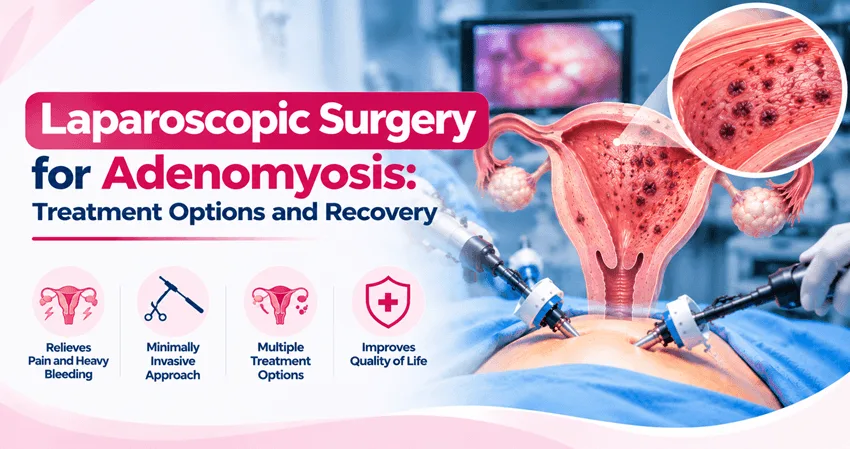
Laparoscopic Surgery for Adenomyosis: Treatment Options and Recovery
Adenomyosis is a gynaecological condition in which tissue similar to the lining of the uterus grows into the muscular wall of the uterus. It can cause heavy menstrual bleeding, painful periods, pelvic discomfort, bloating, and pain during intercourse. For some women, these symptoms interfere with everyday activities and quality of life.
If medication does not provide sufficient relief, surgery may be considered after a detailed gynaecological assessment. However, laparoscopic surgery is not suitable for every case of adenomyosis. The most appropriate treatment depends on symptom severity, the size and condition of the uterus, previous treatments, age, and whether the patient wishes to have children in the future.
Women looking for adenomyosis treatment in Pune can consult Dr. Kapil Kanade, an Obstetrician and Gynaecologist with experience in gynaecological laparoscopic surgery, to discuss their diagnosis and available treatment options.
What Is Adenomyosis?
Adenomyosis occurs when tissue resembling the uterine lining is present within the muscular wall of the uterus. This can make the uterus enlarged, tender, or painful. Adenomyosis may occur alongside other conditions, including uterine fibroids or endometriosis, which can also contribute to pelvic pain and heavy periods.
Some women have adenomyosis without noticeable symptoms, while others experience significant menstrual discomfort or bleeding.
Common Symptoms of Adenomyosis
Symptoms can vary from person to person. Common symptoms include:
Heavy or prolonged menstrual bleeding
Severe menstrual cramps or painful periods
Persistent pelvic pain or pressure
Pain during sexual intercourse
Abdominal bloating or a feeling of heaviness
Tiredness related to heavy bleeding and possible anaemia
Heavy menstrual bleeding should not be ignored, particularly if it causes weakness, dizziness, breathlessness, or difficulty carrying out everyday activities. A gynaecologist can assess the cause and recommend suitable treatment.
How Is Adenomyosis Diagnosed?
Diagnosis usually involves reviewing the patient's symptoms, menstrual history, medical history, and clinical examination. A pelvic ultrasound is commonly used to assess the uterus and look for features associated with adenomyosis. An MRI may be recommended when additional detail is needed or when the diagnosis remains uncertain.
The doctor may also investigate other possible causes of heavy bleeding or pelvic pain, such as fibroids, endometriosis, or other uterine conditions. Accurate assessment helps determine whether medication, monitoring, or surgery is appropriate.
What Are the Treatment Options for Adenomyosis?
Treatment is based on symptom severity, individual health needs, and future pregnancy plans. Not every patient needs surgery.
1. Medication for Pain and Heavy Bleeding
Pain-relieving medicines may help reduce menstrual cramps. Medicines that reduce menstrual blood loss may be considered for heavy periods, depending on the patient's medical history and suitability.
A doctor should assess persistent or severe symptoms before treatment is started or changed.
2. Hormonal Treatment
Hormonal options may include certain contraceptive pills, progestogen-based treatments, or a hormonal intrauterine system. These treatments may reduce bleeding and pain for some patients. The choice depends on the patient's symptoms, medical history, preferences, and whether pregnancy is desired.
3. Other Specialist Treatment Options
In selected cases, a specialist may discuss procedures such as uterine artery embolisation. Suitability, expected benefits, risks, and evidence for each option should be reviewed individually.
4. Surgery for Adenomyosis
Surgery may be considered when symptoms remain troublesome despite appropriate medical treatment, when bleeding or pain significantly affects quality of life, or when other clinical factors support a surgical approach.
The procedure depends on the extent of adenomyosis, the size of the uterus, associated conditions, and the patient's reproductive goals. Surgery should be planned only after discussing the expected benefits, limitations, and alternatives.
Is Laparoscopic Surgery Possible for Adenomyosis?
Laparoscopy is a minimally invasive surgical approach that uses a small camera and instruments inserted through small abdominal incisions. It can be used for certain gynaecological procedures, including laparoscopic hysterectomy.
However, adenomyosis affects the muscular wall of the uterus and may be diffuse rather than confined to a clearly defined area. This means that removing adenomyosis while preserving the uterus can be technically challenging. Uterus-preserving surgery may be considered in carefully selected patients, but it is not suitable for everyone, and symptoms may persist or return.
When hysterectomy is recommended, it may be performed laparoscopically or through another surgical approach, depending on uterine size, disease extent, previous surgery, other medical conditions, and the surgeon's assessment. The best route is the one that is safest and most appropriate for the individual patient.
When Is Laparoscopic Hysterectomy Considered?
A hysterectomy is the surgical removal of the uterus. It may be considered for severe adenomyosis when symptoms have not improved sufficiently with other treatments and the patient does not wish to become pregnant in the future.
A laparoscopic approach may offer smaller abdominal incisions and, in suitable cases, a shorter recovery than open abdominal surgery. Nevertheless, it is still a major operation and carries risks, including bleeding, infection, injury to nearby organs, blood clots, and complications related to anaesthesia.
Removing the uterus means that pregnancy can no longer be carried. The decision should therefore follow a detailed discussion of alternatives, fertility goals, risks, and expected outcomes. The ovaries are not automatically removed during every hysterectomy; whether they should be retained or removed is a separate decision based on the patient's circumstances.
What Happens During Laparoscopic Surgery?
The exact procedure depends on the operation being performed. In general, laparoscopic surgery is carried out under general anaesthesia.
The surgeon makes small incisions in the abdomen and inserts a laparoscope, which provides a view of the pelvic organs on a screen. Special instruments are used to perform the planned procedure. After surgery, the instruments are removed and the incisions are closed.
Before the operation, the medical team explains preparation instructions, medication adjustments where needed, anaesthesia, expected hospital stay, and postoperative care. Patients should follow their treating team's specific instructions.
Recovery After Laparoscopic Surgery for Adenomyosis
Recovery varies according to the procedure performed, the patient's health, and whether complications occur. Recovery after a minor laparoscopic procedure is different from recovery after a laparoscopic hysterectomy.
First Few Days
Some tiredness, abdominal discomfort, bloating, mild nausea, or shoulder-tip discomfort may occur after laparoscopy. Pain relief and activity should follow the treating team's instructions. Short, gentle walks are often encouraged as recovery allows.
Returning to Daily Activities
Light activities can usually be resumed gradually, but the timing depends on the operation. After a hysterectomy, recovery generally takes longer than after a diagnostic or minor laparoscopic procedure. Heavy lifting, strenuous exercise, driving, sexual activity, and returning to work should be resumed only when the surgeon advises that it is safe.
Follow-Up and Wound Care
Keep incision sites clean and follow the discharge instructions. Attend scheduled follow-up appointments so that healing, symptoms, and any test results can be reviewed. Do not stop or change prescribed medication without medical advice.
Warning Signs During Recovery
Seek prompt medical attention if you develop fever, worsening or severe abdominal pain, heavy vaginal bleeding, persistent vomiting, fainting, difficulty passing urine, or redness, swelling, or discharge from an incision. Sudden breathlessness or chest pain requires emergency medical care.
Can Adenomyosis Treatment Affect Fertility?
Fertility plans are an important part of treatment selection. Some treatments are intended to control symptoms, while hysterectomy permanently removes the ability to carry a pregnancy. Uterus-preserving procedures may be discussed for selected patients who wish to retain their uterus, but they have limitations and may not eliminate the condition.
Adenomyosis can also be relevant to fertility assessment. Patients who are planning pregnancy or experiencing difficulty conceiving should discuss their reproductive goals with a gynaecologist before deciding on treatment.
Why Consult Dr. Kapil Kanade for Adenomyosis Treatment in Pune?
Choosing the right treatment for adenomyosis requires an individual assessment rather than a one-size-fits-all approach. Dr. Kapil Kanade is an Obstetrician and Gynaecologist in Pune with experience in gynaecological laparoscopic surgery and fellowship training in advanced laparoscopy from Germany, as described in his professional profile.
A consultation can help patients understand their symptoms, review available investigations, and discuss the suitability of medical management or surgery. Important points include the severity of bleeding and pain, uterine size, associated conditions, future pregnancy plans, and the benefits and risks of each option.
Patients should feel comfortable asking questions about the proposed procedure, alternatives, expected recovery, possible complications, and follow-up care. The final treatment decision should be based on the patient's diagnosis, preferences, and informed discussion with the treating doctor.
Conclusion
Adenomyosis can cause heavy periods, painful menstruation, and persistent pelvic discomfort, but treatment options are available. Medication and hormonal treatments may help manage symptoms, while surgery may be appropriate for selected patients whose symptoms remain troublesome. Laparoscopic surgery can be used for certain procedures, including hysterectomy, but it is not a universal cure or the right choice for every patient.
If you are exploring adenomyosis treatment in Pune, consult a qualified gynaecologist to understand your diagnosis and compare the options. A personalised treatment plan should consider symptom relief, surgical safety, recovery, and future fertility goals.
Medical disclaimer: This article is for general educational purposes and does not replace a medical consultation, diagnosis, or individual treatment advice.