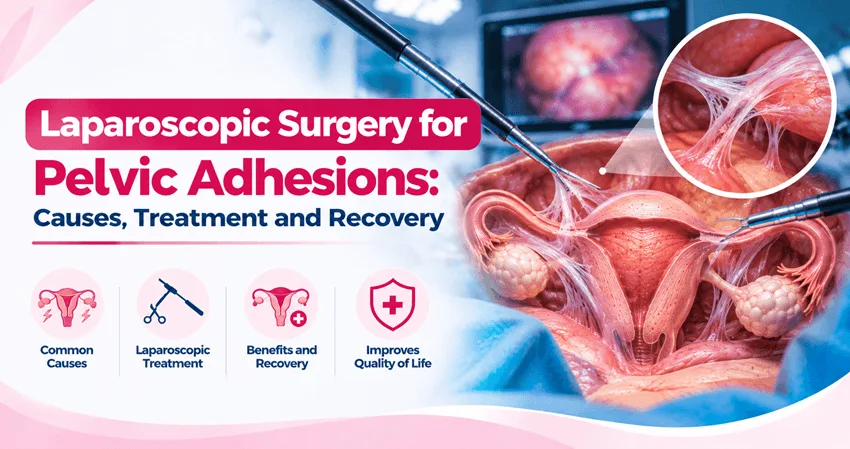
Laparoscopic Surgery for Pelvic Adhesions: Causes, Treatment and Recovery
Pelvic adhesions are bands of scar-like tissue that can form between organs and tissues inside the pelvis. They may develop after surgery, infection, inflammation, endometriosis, or other conditions that affect the pelvic area. Some adhesions cause no symptoms, while others may be associated with persistent pelvic pain, difficulty conceiving, or problems involving nearby organs.
When adhesions are causing significant problems, a gynaecologist may consider a procedure called adhesiolysis, which involves carefully separating the scar tissue. In selected patients, this procedure can be performed using laparoscopy, a minimally invasive surgical technique that uses small incisions and a camera.
However, not every pelvic adhesion needs treatment, and surgery does not guarantee that pain or fertility problems will improve. The decision depends on the symptoms, suspected cause, medical history, fertility goals, and potential risks.
Patients exploring laparoscopic treatment for pelvic adhesions in Pune can consult Dr. Kapil Kanade, an Obstetrician and Gynaecologist with experience in gynaecological laparoscopic surgery, to discuss their diagnosis and available options.
What Are Pelvic Adhesions?
Pelvic adhesions are bands of fibrous scar tissue that can cause organs or tissues in the pelvis to stick together. Normally, pelvic organs can move in relation to one another. When adhesions form, this movement may become restricted.
Adhesions can develop around the uterus, ovaries, fallopian tubes, bowel, bladder, or the tissues lining the abdominal cavity. Their effect depends on their location, extent, and whether they interfere with normal organ function.
Some adhesions are discovered incidentally during surgery or investigations for another condition. Others may be associated with symptoms that require further assessment.
What Causes Pelvic Adhesions?
Pelvic adhesions can develop as part of the body's healing response after inflammation or tissue injury. Common causes and contributing factors include:
1. Previous Abdominal or Pelvic Surgery
Procedures involving the uterus, ovaries, fallopian tubes, bowel, or other pelvic organs can lead to scar tissue formation during healing. Adhesions may develop after open surgery as well as laparoscopic surgery.
2. Endometriosis
Endometriosis can cause inflammation and scarring around pelvic organs. In some patients, this may lead to adhesions involving the ovaries, fallopian tubes, uterus, or surrounding tissues.
3. Pelvic Infections
Pelvic inflammatory disease and certain other infections can cause inflammation that damages tissue and contributes to adhesion formation. Early assessment and appropriate treatment of infections are important.
4. Other Inflammatory Conditions
Conditions affecting the abdomen or pelvis, including appendicitis and other inflammatory disorders, may also contribute to adhesion formation.
5. Previous Ectopic Pregnancy or Other Pelvic Procedures
Some patients develop adhesions following surgery or treatment for an ectopic pregnancy or another condition involving the reproductive organs.
The cause cannot always be identified with certainty. A detailed medical and surgical history can help the doctor assess possible contributing factors.
What Are the Symptoms of Pelvic Adhesions?
Many pelvic adhesions do not cause noticeable symptoms. When symptoms occur, they may include:
Persistent or recurrent pelvic pain
Abdominal discomfort or a feeling of pulling
Pain during sexual intercourse
Difficulty conceiving in some cases
Symptoms associated with an underlying condition, such as endometriosis
Symptoms alone cannot confirm that adhesions are present. Pelvic pain can have several causes, including endometriosis, ovarian cysts, fibroids, infections, and gastrointestinal or urinary conditions. A proper assessment is needed before deciding on treatment.
Seek urgent medical care if you experience severe or worsening abdominal pain, repeated vomiting, marked abdominal swelling, or an inability to pass stool or gas. These symptoms can indicate an intestinal obstruction or another urgent condition.
How Are Pelvic Adhesions Diagnosed?
Diagnosis begins with a review of symptoms, previous surgeries, infections, fertility history, and other relevant medical conditions. A physical examination and selected investigations may help identify possible causes of the symptoms.
Ultrasound, MRI, or other imaging tests may be useful for assessing certain pelvic conditions, but adhesions themselves are not always visible on routine imaging.
In selected cases, laparoscopy may allow the surgeon to directly inspect the pelvic organs and identify adhesions. It is an operation and should be considered only when the expected diagnostic or therapeutic benefit justifies the risks.
The treating doctor will also assess whether another condition better explains the symptoms and whether further investigation or non-surgical management is appropriate.
What Is Laparoscopic Adhesiolysis?
Laparoscopic adhesiolysis is a surgical procedure in which adhesions are carefully divided using instruments inserted through small abdominal incisions. A laparoscope provides a view of the pelvic organs on a screen.
The aim is to release adhesions that are causing a specific problem or interfering with the safe treatment of another condition. The extent of surgery depends on where the adhesions are located and how closely they involve structures such as the bowel, bladder, uterus, ovaries, or fallopian tubes.
Not all adhesions can or should be removed. Extensive dissection may increase the risk of injury to nearby organs, bleeding, and further scar tissue formation. The surgeon must balance the potential benefits of separating the adhesions against these risks.
When Is Laparoscopic Surgery Recommended for Pelvic Adhesions?
Surgery may be considered in selected circumstances, such as:
Persistent Symptoms After Assessment
When pelvic pain continues despite appropriate evaluation and treatment, and adhesions are considered a likely contributor, a specialist may discuss whether adhesiolysis is appropriate. Pain relief is not guaranteed, because adhesions may not be the only cause of symptoms.
Fertility-Related Concerns
Adhesions involving the fallopian tubes or ovaries can sometimes interfere with reproductive function. Selected patients may benefit from surgical assessment, but the effect of surgery on fertility depends on the location and severity of the adhesions, tubal condition, age, and other fertility factors.
Surgery does not guarantee pregnancy, and the potential benefits should be weighed against the risk of additional adhesions. A fertility specialist may also discuss other options, including assisted reproductive treatment, when appropriate.
Complications or Other Surgical Needs
Adhesiolysis may be needed in selected patients with complications related to adhesions or to allow another necessary operation to be performed safely. Suspected bowel obstruction requires prompt medical assessment and may need urgent treatment.
When the Benefits Outweigh the Risks
The decision to operate should be individualised. If adhesions are not causing symptoms or complications, observation and management of other conditions may be more appropriate than surgery.
Benefits and Limitations of Laparoscopic Adhesiolysis
When suitable for the patient, laparoscopy may offer smaller incisions, less postoperative discomfort than some open procedures, and a shorter hospital stay. It also allows the surgeon to inspect the pelvic organs directly.
However, these benefits are not guaranteed for every case. Extensive or complex adhesions can make surgery difficult, and conversion to open surgery may occasionally be necessary for safety.
Adhesiolysis also has important limitations:
Adhesions can form again after surgery.
Pelvic pain may continue if another condition is responsible.
Fertility may not improve, even when adhesions are separated.
The procedure can cause bleeding or injury to the bowel, bladder, blood vessels, or other organs.
Additional surgery may itself increase the risk of new adhesions.
A clear discussion of the expected benefits, alternatives, and risks is essential before proceeding.
How to Prepare for Laparoscopic Surgery
Preparation depends on the planned procedure and the patient's health. Before surgery, the medical team may review previous operation notes, imaging reports, medications, allergies, and relevant medical conditions.
Patients should tell their doctor if they may be pregnant, take blood-thinning medication, have a history of anaesthesia problems, or have experienced complications during previous surgery. Do not stop prescribed medication unless instructed.
The surgeon and anaesthesia team will explain fasting instructions, the expected hospital stay, consent, postoperative pain management, and the possibility that the surgical plan may need to change if extensive adhesions or unexpected findings are encountered.
Recovery After Laparoscopic Surgery for Pelvic Adhesions
Recovery varies according to the extent of adhesiolysis, the organs involved, the patient's general health, and whether additional procedures are performed.
The First Few Days
Temporary tiredness, abdominal discomfort, bloating, and shoulder-tip discomfort can occur after laparoscopy. Follow the prescribed pain-management plan and begin gentle movement as advised by the medical team.
Returning to Normal Activities
Many patients gradually resume light daily activities as they feel better. Recovery can take longer after extensive adhesiolysis or when another procedure is performed at the same time. Return to work, driving, exercise, heavy lifting, and sexual activity should follow the surgeon's advice.
Incision Care and Follow-Up
Keep the incision sites clean and follow the discharge instructions. Attend follow-up appointments so the doctor can review healing, discuss any results, and assess whether the original symptoms have improved.
Warning Signs After Surgery
Contact your treating team promptly if you develop fever, worsening abdominal pain, persistent vomiting, heavy bleeding, difficulty passing urine, or redness or discharge from an incision. Severe abdominal pain with swelling or an inability to pass stool or gas needs urgent medical assessment. Sudden chest pain or breathlessness requires emergency care.
Can Pelvic Adhesions Return After Surgery?
Yes. Adhesions may recur after adhesiolysis because surgery causes tissue handling and healing, which can trigger new scar formation. Careful surgical technique and appropriate handling of tissues may help reduce adhesion formation, but no method eliminates the risk entirely.
The surgeon may discuss measures intended to reduce adhesion formation when clinically appropriate. The choice depends on the procedure and the available evidence. Patients should understand that adhesion-prevention measures cannot guarantee that adhesions will not return.
Can Pelvic Adhesions Affect Fertility?
Pelvic adhesions may affect fertility when they distort or obstruct the fallopian tubes, restrict movement of the ovaries, or occur alongside conditions such as endometriosis. However, not every patient with adhesions will experience infertility.
Fertility assessment may include reviewing ovulation, the condition of the fallopian tubes, ovarian factors, the partner's reproductive health, and other relevant factors. In selected cases, surgery may be discussed, but its potential benefits must be balanced against recurrence and the possibility of further tissue injury.
Patients planning pregnancy should discuss their goals before surgery. Depending on the circumstances, a fertility specialist may recommend surgical management, expectant management, or assisted reproductive options.
Why Consult Dr. Kapil Kanade for Pelvic Adhesions Treatment in Pune?
Pelvic adhesions can be complex because scar tissue may involve several organs and may coexist with endometriosis, previous pelvic surgery, or fertility-related concerns. Treatment therefore requires careful assessment of the symptoms, likely cause, previous medical history, and the potential risks of operating.
Dr. Kapil Kanade is an Obstetrician and Gynaecologist in Pune with experience in gynaecological laparoscopic surgery. His professional profile describes fellowship training in advanced laparoscopy in Germany and a fellowship in infertility, along with extensive laparoscopic surgical experience.
A consultation can help patients review their symptoms and available reports, understand whether adhesions may be contributing to their condition, and discuss the possible benefits and limitations of laparoscopic adhesiolysis. Patients can also ask about fertility implications, the risk of recurrence, recovery expectations, and non-surgical or alternative treatment options.
The appropriate approach depends on the individual diagnosis. No surgical procedure can guarantee complete pain relief, prevention of recurrence, or a future pregnancy, so these outcomes should be discussed realistically before treatment.
Conclusion
Pelvic adhesions are bands of scar tissue that may develop after surgery, infection, endometriosis, or inflammation. Many do not require treatment, but some can contribute to chronic pelvic pain, fertility difficulties, or complications involving nearby organs.
Laparoscopic adhesiolysis may be considered when the expected benefit justifies the risks. Because adhesions can recur and surgery may not resolve every symptom, an individualised assessment is essential. Patients exploring pelvic adhesion treatment in Pune should discuss the diagnosis, alternatives, surgical risks, recovery, and fertility goals with a qualified gynaecologist.
Medical disclaimer: This article is intended for general educational purposes only. It does not replace a medical consultation, diagnosis, or personalised treatment advice.